s

SmellyBlog

Sad News: CocoaNymph is Closing


I generally have a no-bad-news-policy on this blog. But this bit of bad news cannot go unnoticed. 

Not just because I've collaborated with Rachel Sawatzky and CocoaNymph for the past 4 years; but because it's disheartening to see a business that poured so much heart and soul into everything they do need to close down. Everything that Rachel and her team did they did wholeheartedly: from their craft of making top-notch chocolates and confections, to educating new entrepreneurs in the art of chocolate making. They served their community as a neighbourhood gathering place and home-away-from-home environment for many of their patrons, something I have witnessed and experienced every time I stopped by for hot chocolate or for picking up fragrant bars. CocoaNymph has become part my family's life on our weekly stops from our horseback riding lessons, and recently even became a work-training hub for for my autistic daughter (who was a proud member of the team every Thursday this past fall and winter as part of her "work experience" at school). 


CocoaNymph supported countless Canadian musicians, who frequently performed on the chocolaterie's grand piano, contributing to the city's much-needed nightlife; hosted many workshops and tasting events to cultivate the West Coast palate and co-promote other local artisan businesses - from craft beer brewers to perfumers.
 

I don't know if there is a "positive" way to look at CocoaNymph's closure. I can just hope that it serves as a lesson to us all to support your favourite artistan while their business is still alive and can thrive and create more jobs for us (or our kids, for that matter). 

It will be hard to live without your chocolates, but even more so without this dream. 


P.s. Don't panic! The fragrant chocolate bars we've co-created will still be made especially for you despite CocoaNymph's closure. So please keep ordering them and help us keep this project alive!

The Non-Blonde Reviews Sandal Ale and Musk Malabi

Sandal Ale got noticed by Gaia from The Non Blonde: "The tension between raw wood, apricots preserved in cognac, and old-fashioned ginger ale that captures your attention and causes the age-old wrist-to-nose compulsion".

And this is what Gaia had for Musk Malabi: "A treat for musk-heads... I want to bathe in this stuff". 

To read the full review, visit The Non Blonde. Leave a comment at her blog and/or below for a chance to win a sample of each!  

Immortelle l’Amour Brunch & Tea (Menu & Ideas for Mother's Day)

Mother's Day is just around this corner (celebrated this Sunday, May 11th in North America). There is nothing as precious as the gift of time spent together. Tokens and luxuries are fabulous to give and receive, but there is nothing  more meaningful and memorable than time spent together. 

Take the time this month to honor those who have nurtured you, loved you and who have helped you grow - as well as yourself, especially if you are a parent, a teacher, or a caregiver. Whether it’s simply a cup of tea that can be shared or a  stroll together, carve out time this May to cherish and spoil those special women in your life.  


A classic mother’s day ritual – brunch is a fantastic way to spoil mom, while spending quality time together.  Inspired by our decadent perfume Immortelle l’Amour: Generous portion of vanilla, maple and rooibos – try out these fragrant twists on  quintessential brunch  recipes, such as eggs benedict on waffles  and other decadent yet nutritious embellishments. The following menu mingles the comforting yet sophisticated flavours of maple, vanilla and cinnamon along with briney, salty touches of sharp cheeses, sour apples, candied salmon, a touch saffron mayonnaise or a generous dollop of yoghurt hollandaise sauce. 

Mother’s Day Brunch & Tea:

Eggs Benedict & Candied Salmon on Cinnamon Waffles
Baked Sour Apple
Sharp Cheddar Cheese
Tea served: Immortelle l’Amour tea, or a rooibos espresso (recipe to follow).
Rooibos Espresso:
Rooibos requires high heat (90-100c and prolonged steeping or even simmering). That's why it's safe to use it in a stovetop mokka machine or espresso machine, to get a heavnely, richly concentrated brew of this smooth, naturally sweet tea. To prepare your rooibos espresso simpley fill the espresso "funnel" with loose leaf plain (unflavoured) rooibos and prepare as you would any espresso. Serve as it is, or with a bit of milk of your choice (i.e.: whole milk or almond milk). 

For the Cinnamon Waffles:
4 eggs
4 Tbs grapeseed (or another non-GMO vegetable oil)
2 cups milk
2 cups whole wheat flour
1 tsp cinnamon, ground
1 tsp pure vanilla extract
1 Tbs brown sugar
2 tsp baking powder
Pinch of salt
- Separate the eggs.
- Whip the whites until soft peaks form.
- Whisk the egg yolks with the sugar, oil and vanilla extract. Stir in the milk.
- In a separate bowl, sift together the dry ingredients (flour, baking powder, salt).
- Carefully add the flour mixture into the egg yolk and milk mixture, one-third at a time.
- Fold the whipped egg whites into the rest of the batter you have just formed.
- Cook in a well-buttered waffle maker according to manufacturer’s instructions.
- Note: The waffles can be prepared in advance and kept frozen; then toasted before serving.

For the Eggs Benedict:
Prepare yoghurt hollandaise sauce
Poach eggs (1-2 per person). Brush the waffles with butter and top with slices of candied salmon. Place a paoched egg on top of the salmon, and spoon over the yoghurt hollandaise sauce. Serve immediately.

Another nice contrast to all this sweet and salty flavour is a baked Granny Smith apple (the only apples that still retain some flavour this season), or a baked rhubarb compote (prepare similarly my Rosy Rhubarb Crumble - but without the crumble and rosewater. The berries are not mandatory either - unless they're already in season in your part of the world!).
Hope you enjoy this lovely Mother's Day brunch with your family!
And if the weather permits, go for a picnic and enjoy Mother Nature. More thoughts on that on the following post...

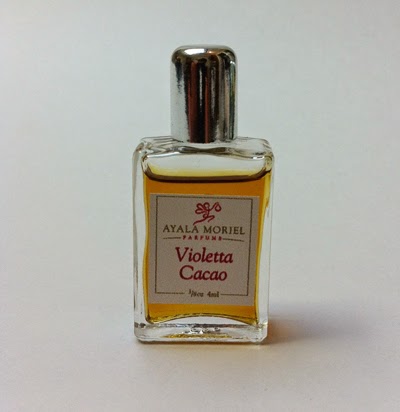
Violetta Cacao


Meet Violetta Cacao: a decadent limited edition* scent of sweet violets, chocolate and vanilla.

There is nothing quite like the bond between a mother and her baby. When I just started creating perfumes, one of the first perfumes I made was Indigo, inspired by my mom’s unique Cancer personality of contrasting warm-and-cold (and maybe a little bit because I really missed the soft and gentle touch of holding her hand which is hard to do when she’s in Tel Aviv and I’m in Vancouver). Indigo captures that sense of soft motherly touch, smooth and almost glimmering like the indigo-blue velvet hoodie my mom gave me before I left for Canada, and with the two scents that remind me of her most of all: aniseed and violet flowers. At the same time, it was a very abstract creation and entirely based on my subjective experience of motherhood on the receiving end.

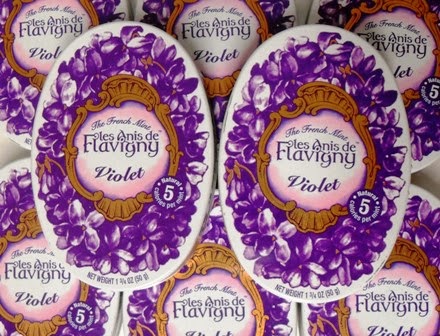
But it wasn't until years later (when she finally visited me in Vancouver) that I learned that besides these two distinctive aromatics (especially when they're together in the famous French pastilles, my mom also went gaga after the scent of chocolate and vanilla. That was before she lost her sense of smell, of course (Anosmia, loss of the sense of smell can become lost due to several things, such as chronic colds or sinus infections, head injuries, and trauma) but that does not stop her from enjoying the darkest, most velvety chocolate and dark chocolate sorbetto - so I was not surprised chocolate was up there on her list. But vanilla? Well, that was a surprise.

I set off to create something new in honour of my mom (and her lost sense of smell). Something that she can wear and be proud of even if she can't actually smell it. Something she can imagine herself immersed in, no matter what mood strikes (Cancers are infamous for their mood swings!). Something a little simpler and more down-to-earth, not as artsy as Indigo, but still will appeal to the Bohemian princess that my mom is...

And the name came first - a lady's name, perhaps her stage name, but still with an unmistakable first name and surname - but that still alludes directly to what she smells like. Violets and chocolate are the core of this fragrance. The violet is magnified to make her almost larger-than-life with supporting notes of leathery cassie and creamy orris butter. The leathery aspect of cassie is then alluded to in the tobacco leaf as well. Instead of tarragon, there's a tarragon absolute in the mix, which is more confectionery and multi-faceted than aniseed. Deer's tongue absolute makes the vanilla feel even more edible and sweet, yet still adds a certain leafy quality that mirrors the tarragon absolute's hints of green.


Fragrance Families: Floral Ambery (Floriental), Floral Powdery, Oriental Ambery

Top notes: Bergamot , Ginger Lily
Heart notes: Violet Leaf, Japanese Rose, Jasmine Egypt, Orris Root, Rose Absolute (Turkey),  
Base notes: Cocoa Absolute, Cassie , Deer's Tongue (Liatrix), Tabac Blond, Patchouli, Tarragon Absolute, Vanilla Absolute


Violetta Cacao is the olfactory manifestation of boho-chich: violet's fickle ionones tease and tempt and decadent cacao and vanilla are supported by notes of buttery orris, sweet tarragon and liatrix. The resulting perfume is an unconventional indulgence with a regal twist (violets are often associated with royalty). Dab some on and feel like a bohemian princess!

* Note: Violetta Cacao will be only available during the month of May, to celebrate Mother's Day.


Feliz Cinco de Mayo!


Happy 5th of May to those of you celebrating Mexican culture and heritage today!
There are such distinctive aromatics associated with Mexico's vibrant culture, that I've decided to put together a few notes about key ingredients, scents and flavours and combinations that are unique to Mexico.


Cumin - or Cumino in Spanish (Cuminum cyminum) is a seed from a plant from the Umbelliferae or else known as Apiaceae family (related to anise, fennel, carrot - among others) with a unique scent of cuminaldehyde that gives its distinct oily-sweaty personality. It's taste is a little bitter and pungent when unroasted, and nutty and more delicate when roasted, pan-fried or toasted before cooking with it. It's an inseparable part of many Mexican stews such as chilli, re-fried beans, salsa and more. Now, cumin is not exactly unique to Mexican cuisine - but how it is used is: combined with substantial, hearty falvours such as chocolate and vanilla in bean dishes, or sprinkled together with raw onion and freshly chopped peppers, tomatoes and tomatillas - this is a very distinctive way of experiencing this musky seed.

Vanilla (Vanilla planifolia) - isn't it interesting that both vanilla and chocolate originate in Mexico? This magical orchid produces a fruit only if pollinated by a tiny bee that is native to North America. Therefore, at first the plantations in other tropical islands (such as Madagascar, now the largest producer of vanilla) were grown. Vanilla anywhere else but in Mexico requires hand-pollination, which is meticulous, and is one of the main reasons why vanilla is so expensive. Mexican vanilla is different from other crops, having a very rich, full-bodied flavour that is more fruity and smooth than its almost woody Madagascar specimens. And vanilla from Tahiti is a different orchid altogether (Vanilla tahitensis), and also grows in Papua New Guinea - resulting in an even sweeter, more powdery profile (due to the presence of heliotropine). What's unusual about vanilla in Mexican cuisine is that it's used in savoury dishes, (see below), not just sweet ones. It may sound a bit weird at first as we're so used to vanilla being equal to dessert. But it has a very deep flavour, and if blended with the right elements will enhance most flavours, really. Try using it in bean stew or soup, and taste for yourself!

No wonder Cacao (Theobrema cacao) had its own god in the Aztec mythology. It's got such a powerful unique flavour, aroma and texture - at once earthy, buttery, smooth, bitter... The Aztecs made an elixir of cacao cooked with vanilla and spiced with chilli as a ritual energy drink that was used ritually (and mostly by royalty). Cacao adds vigour, passion and depth. In Mexican cuisine, it's added to bean dishes. Inspired by Mexican cuisine, I make a "Chocolate Soup" which is basically a black bean soup with cumin, chilli, vanilla, raw sugar and sun dried tomatos. Sometimes I add a bay leaf or two for extra spice, or a small piece of cinnamon bark. This balancing act between savoury and sweet, salty and bitter was captured perfectly in the wonderfully addictive perfume Anima Dulcis, where cocoa, vanilla, cinnamon,


Lime (Citrus limetta) is an unusual citrus, with both woody accents (from pinene) and milky, almost coconutty notes (from the coumarin). Again, it's that particular type of citrus - as opposed to the usual lemon, that sets off the other flavours and gives them a unique character. I've tasted plenty of cumin before - say, in a beet salad, with plenty of lemon juice; but that lime (and raw onion...) take it to a different world. The New World, perhaps?

And then there's Tequila: I'm certainly not a fan, but there is something to be said about the peculiar clash between salty and citrusy-fresh that's present in Jo Malone's weird Blue Agave & Cacao. Is a bit of an oddball - mingling the illusion of saltiness with a dusting of cocoa, and a full squeeze of lime.

Cilantro is usually what we refer to as coriander leaf (Coriandrum sativum) but in fact is the Spanish word for coriander. It is yet another flavourful Umbelliferae, with many versatile uses in cuisines around the world. The seeds don't seem to be used in Mexican food as much as the leaves - those are chopped up and added to fresh or cooked salsas, and complements the oiliness of avocados in guacamole. It's also goes extremely well with fish, setting off the fishy aspects with more vibrant and fragrant counterpoint. The aroma of cilantro leaf is a little green and at the same time soapy. Some swear by it, others can't get any near it. In perfume it has a rare use though the essential oil has the vibrant green qualities of the fresh leaf and are very appealing from a perfumer's point of view - it's hard to bypass the polarizing reaction and strong culinary association that it tends to elicit. 

Flor de Jamaica is the popular name in Mexico for the flowers of hibiscus commonly called Roselle that is native to West Africa (Hibiscus sabdariffa). Both warm and chilled tisanes are made from it, and are very popular year around. In the winter, they provide protective vitamin C against colds, and in the summertime they are a cooling, tart beverage like lemonade. It also reduces blood pressure. If you want to enjoy hibiscus flowers in a unique way, pay a visit to O5 Tea Bar, where they will serve you candied hibiscus buds to go with your tea; and Terra Breads bakery or cafe for a memorable bite at their tart and vibrantly red hibiscus macaron!


Choisya (Choisya ternata) aka "Aztec Pearl", Mock Orange or Mexican Orange is an evergreen shrub from the rue family, that blooms copiously between April and June.The flowers contain a simple anthranilate which gives it a scent not unlike orange blossom - though also with underscores of vanilla or heliotropine. There was a wonderful candle by Diptyque with a Choisya scent.

Tagetes, aka Aztec Marigold (Tagetes erecta) is called in Mexico "flor de muertos" (Flower of the Dead) and is planted in cemeteries and used in rituals and ceremonies on November 2nd, which is Day of the Dead (Dias de los muertos). Interestingly, it is associated with death in several other cultures such as Honduras. The flower's intensely yellow-orange colour is due to the presence of sulfur in some of its compounds. The sulfur also gives it interesting medicinal qualities against several types of airborne germs, making it particularly effective for various skin infections (dermatitis, acne, rashes and more). In sustainable and traditional agriculture, planting marigolds next to certain plants (for example - tomatoes) will protect them from nematode pests as well as aphids. Marigold flowers also taste delicious in salads, along with tomatoes, lemon, olive oil and green onions. Marigold rarely find its way into perfume composition - at least not as a major player (except for in Liz Zorn's now defunct Chrysalis). There is a hint of it in Obsession, though. It's a peculiar note with opening note of green apples and pheromones, and that fades later into dried hay and herbs scent. It mostly finds use in flavouring to add a natural fruity nuance.

Tuberose is also native to Mexico, and the Aztecs called it Omixochitl (Bone Flower). This relative of the narcissus flower has tuberous bulby roots (the name has no connection to rose, and neither does the scent), and like the Choisya, it also owes much of its unique scent profile to methyl anthranilate, as well as salicylates (which give it a medicinal character) and paracresyl methyl ether which gives it an animalic, almost leathery quality. 

Capsicum is the chemical that gives peppers their heat. And in Mexico there isn't just one type of "hot pepper" - there are myriads of them, from the milder poblano peppers which lose most of their heat in cooking but leave a wonderfully deep pepper flavour behind; jalapenos, and smoked-dried jalapenos (aka chipotle) to the lava-heat of serrano peppers - enough to burn a hole in your tongue! Peppers also have a unique aroma, not as sharp as it's other nightshady sister the tomato, but still recognizable. Paprika Brasil did not do it justice; but I've been always intrigued by how it was presented in l'Artisan Parfumer's Poivre Piquant.


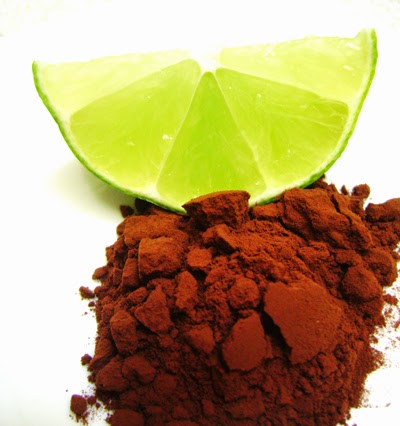
My own interpretation of the rich flavours and textures of Mexico's cuisine seems to only scrap the surface of this rich culture full of intriguing aromatics. In Lime & Cacao limited edition OOAK perfume: Contrasting colours of lime green against deep brown are the centre of this playful fresh gourmand. Inspired by the Mexican way of treating chocolate, Lime & Cacao is more piquant than sweet and balances the richness of South American balsams with zesty lime and mineral and melancholic Blue Cypress from Australia.

I'm now inspired to create something with unusual note combination such as marigold, orange blossom, tuberose, vanilla and hibiscus. Hmm...

Back to the top