s

SmellyBlog

Floriental Week: My Short But Sweet Taste of Perfume Making
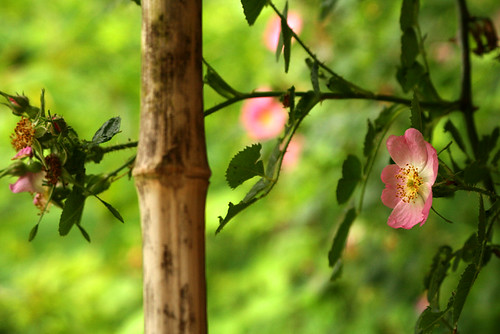
Trailing Roses
Trailing Roses, briar roses at Horton Bay in Mayne Island - a photo by Laríssa on Flickr.

I remember quite clearly the first time I ever met Ayala and came across her fragrances. I was in my first semester of the Fashion Marketing Diploma program at Kwantlen Polytechnic University and I met Ayala at Portobello West very briefly while I was in the process of completing an assignment. I have always loved fragrance as more than just a sensory pleasure but also as a complex and powerful art form - the sense of smell is the sense that is most closely linked to emotions and memories. I was immediately intrigued by her unusual scent combinations (urban inspired Hanami and simplistic but powerful Roses et Chocolat were the scents that left the biggest impression on me) and by the stories that were behind each one and I never forgot about our discussion or her fragrances. I met Ayala again a year later at her Etrog tea-party after writing an article about her custom fragrances for a bridal fashion website. We talked about fragrance and bonded over the fact that we are both chypre-lovers (from Ayala's collection I particularly adore Rainforest and Ayalitta). I told her that I loved her product and that if I could ever be of help to her in any way that I would love to volunteer. Another year later and I am lucky enough to have the privilege of working for Ayala Moriel Parfums.

While I was interning for Ayala in July, I was fortunate to be able to sit in on one of her classes and participate in the solid-perfume workshop during her five-day Floriental Perfume Course. While I do have a passion for fragrance and spend a fair amount of time researching fragrance myself, I knew very little about florientals and what key components make a scent a floriental versus a floral or oriental.

Many people think of floriental fragrances as being heavy, rich, ambery, and spicy. But truthfully, Florientals can be best described as a Floral-Ambery: a sub-category of the floral family, and the love child of two harmoniously mingled fragrance families - heady White Florals, and smooth Ambery Orientals. Opulent, smooth scents like Guerlain's iconic Samsara or Chanel's Allure often come to mind but floriental fragrances, while having a similar structure and similar notes, can vary greatly in smell and spirit. They can be light and sparkling, creamy and beachy or dark, smoky and seductive, depending on the composition and accent notes used.
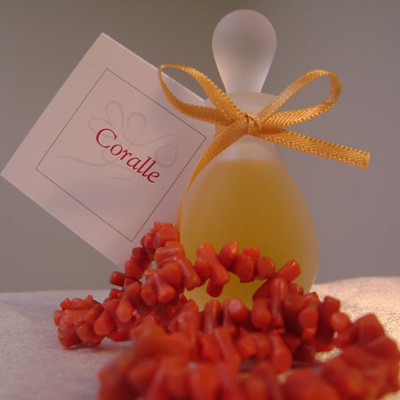
Coralle
Coralle parfum, an all-natural floriental from Ayala Moriel Parfums' archives

Floriental perfumes can vary greatly but are unified in their composition structure. Those who are familiar with fragrance know that notes are only a percentage of what leads to the final smell of a perfume. Florientals are more base heavy than other florals. Amber is always in the base, along with other heavier notes such as incense, sandalwood, vanilla, massoia bark or myrrh. The heart is where the richer flowers (roses, violets etc.) and white florals reside and the top is reserved for the airy citrus notes and lighter flowers (i.e.: mimosa), cool spices (i.e.: coriander, ginger, cardamom), balsams and woods. Perfumers will play around with the composition of fragrances but that is the basic outline of what the formula for a floral-oriental fragrance would look like.
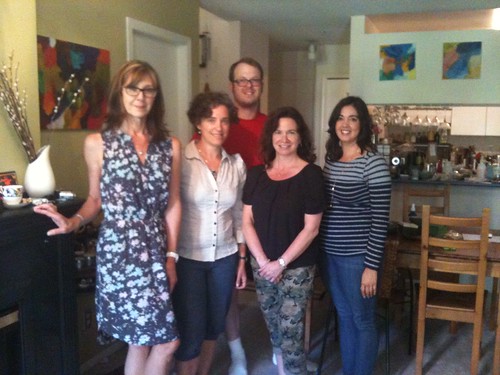
Class Of Summer 2013
Class of Summer 2013 (Floriental Week)

It was fascinating to listen to Ayala explain how the different components and ingredients of a floriental perfume could work together. Perfume is often explained and described in terms of the ingredients or "notes" within a fragrance. Ayala stressed that the ratio of notes within a fragrance is as equally important as the notes themselves. There may be several different versions of a fragrance with similar or the same notes, but each version will smell entirely different based on the amount of each note and the concentration. The subtle but distinct differences between fragrances of the same family was illustrated most vividly when Ayala began passing around different examples of floriental fragrances, some her own creations, some commercial perfumes, and some truly intriguing indie and vintage scents.
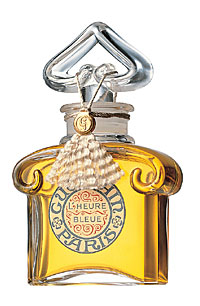
I was particularly intrigued by a vintage fragrance that she presented to us called l'Heure Bleue. The perfume was released in 1912 and I was truly surprised at how modern the fragrance smelled.When I used to think of vintage perfumes I would think of heavy abstract florals, thick spices, and animalic, aldehydic notes reminiscent of those on my great-grandmother's dresser. This perfume, created more than one hundred years ago could easily be worn and enjoyed today which made me appreciate the perfume and the perfumer all the more for being able to create a fragrance that can transcend time - not an easy task for an art form as personal perfume.
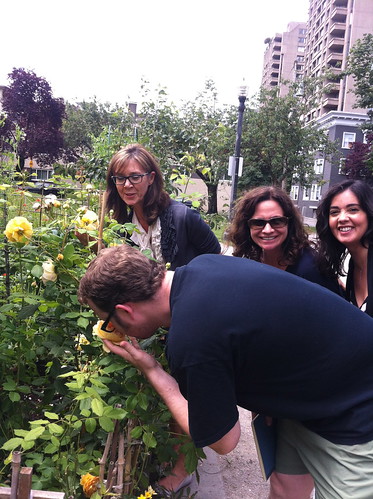

Floriental Week July 1-5, 2013
Students smelling tea roses at Nelson Park community gardens

During my time as a stand-in student of Ayala Moriel's I found that I most appreciated the way Ayala would connect science with more artistic side of creating a fragrance. What I mean by that is she would tell us about the chemical components of an ingredient and how that would affect a fragrance but would also describe it in imaginative and sensory terms that made it relatively easy for someone like me, with no background in science or chemistry to understand. I also appreciated the way that every lesson was illustrated with examples. If she was trying to show us how carnation blossoms smell similar to clove essences because of their high eugenol content, she would pass around the essences and have us describe any detected differences as well as similarities. Ayala thoroughly saturates you in the content of her lessons, urging you to use every sense while learning. Fragrant snacks (elderflower tea, floral-flavored cookies and bitterly rich dark chocolate), and garden walks allow her students to experience fragrance and explore the different components of fragrances in different ways. It is amazing how one flower, or spice, or balsam can produce essences with completely different aromas. The different facets of natural ingredients are fascinating and really made an impression on me in terms of how complex an art-form perfume-making is. It made me think of music or painting, where tiny brush strokes and notes combine together to create something abstract or simplistic but always emotionally/intellectually impacting. Everyday we are surrounded by different smells, some pleasant and some not so pleasant but they have a strong impact on our perceptions of our environment and on our memories. Fragrance can transport you to a different time, place, or emotional state depending on what you associate with different smells.

Grating Beeswax
Grating beeswax for making solid perfumes

Ceramic Casseroles
Ceramic casseroles for solid perfume making.

The highlight of my week as Ayala's student was the solid perfume workshop. Using beeswax, jojoba oil, and essences we were encouraged to close our eyes and transport ourselves to a place that really represents ourselves and where we feel most alive, inspired, safe etc., a place that we would want to capture and carry with us always. For me that place is Mayne Island, a gulf island close to Vancouver Island. Briar roses, sun-baked blackberries, spruce, pine, broom and salty ocean air are the aromas that are closest to my heart. Using notes of Rosa rugosa, lavender absolute, vanilla absolute, wild frankincense, and ylang-yang I created a fragrance that reminds me of my home away from home and that smells just a little bit vintage-esque because of the frankincense. I named it Marion after my great grandmother who helped build my family's cottage on Mayne Island. It was a meditative but somewhat nerve-wracking experience because of how much a subtle change in the amount of each essence and even the slightest variations of notes can change the entire fragrance. The process of creating the solid perfumes felt similar to cooking and is definitely something I would like to explore for my own enjoyment in the future.
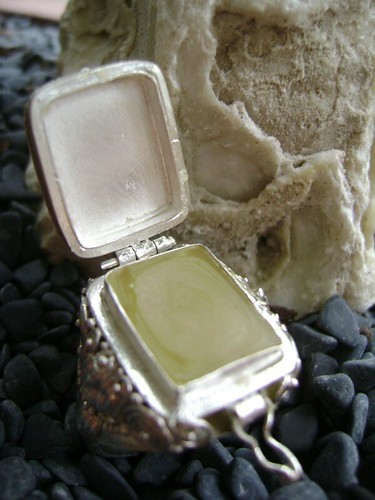
Labradorite Poison Ring
Solid perfume in a vintage poison ring 

Overall what I would say about Ayala's classes are that they are intensive, artistic and scientific, and very hands-on. These are not classes where you will simply sit, read, and memorize. Every one of your senses will be involved while taking her classes. Perfumery is a rich and complex subject and there is always a lot to learn. Ayala has been practicing perfumery for years and years and as she says, even she is learning on a regular basis. In my opinion, the mark of a good teacher is to be able to take a fairly complicated subject and to be able to explain it in easy to understand terms. As Albert Einstein said, "If you can't explain it to a six year old, you don't understand it yourself.". I learned a lot from my couple of hours as Ayala's student even without a base of knowledge to reference.

Truly, perfumery is an art-form that should be further explored and celebrated. It is an incredible form of expression even for those who perhaps don't necessarily want to pursue it as a career. Not only will you develop a new creative skill and outlet but you will become more aware of the aromas and environment around you. I, for example, will never look at a tuberose the same away again after meeting and talking with Ayala about it (such a mesmerizing, multifaceted flower). I encourage anyone who has an interest in aromatherapy or perfume to take one of Ayala's courses, such as her Orientals week-long course from September 30th to October 4th 2013. Registration for this course closes Friday, August 30th at 12 noon PST. 

Trends in Banana Flavouring

Candy Bracelet by Macrografiks
Candy Bracelet, a photo by Macrografiks on Flickr.
I remember the dramatic moment, when I discovered that my toddler daughter can recognize flavour (and therefore, scent). She was eating one of those candy bracelets as pictured above, and after chewing the yellow one, exclaimed: "Banana". In my days, the yellow ones were lemon flavoured. But after tasting one myself - I realized she was right, and the yellow was, indeed, banana flavoured.

How interesting, that a child who could barely learn words or symbols can associate such a plastic-like aroma and chalky-texture of "banana" with the real thing (for those of you who don't know me quite well, my daughter has autism, a neurological disorder which affects all areas of life, but first and foremost - language and socialization). I was amazed, puzzled and more than little curious...

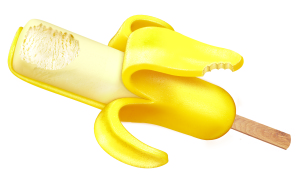
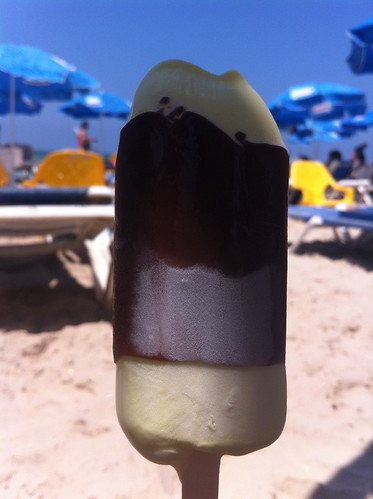
Banana Beach Treat

My first personal encounter with the olfactro-gastronomic "banana" as an abstract (and, let's face it, fake) concept of the true fruit was on the beached of Bat Yam (a suburb of Tel Aviv), around the age of 3. It looked exactly like the ice cream bar in the above photo, and tasted about as remote from the real thing as possible. If anything, it perhaps was somewhat similar to baked bananas. But not really... All the same, I loved its creamy texture, cool frozen cream in faux-chocolate coating that crumbled under one's teeth in an instant. If you haven't tasted this before, try to get a hold of Comptoir Sud Pacifique's Vanille Banane, which is like a wild ride at the country fair, holding very little grasp in reality...


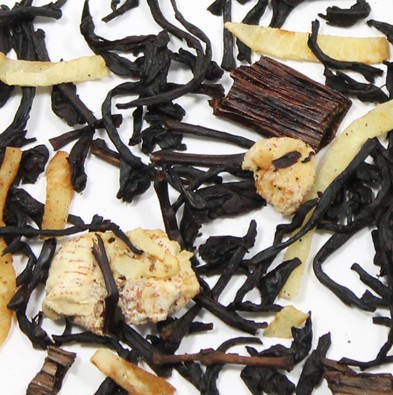
This banana flavouring trend persevered in the flavour world for decades, with more modern variations being only slightly more sophisticated, for example - Ben & Jerry's Chunky Monkey ice cream, which is based on the aroma of banana bread, with the addition of crunchy walnuts and gritty frozen chocolate shavings, for added interest. More recently, my daughter and I have become addicted to Murchie's Coconut Cream Banana flavoured black tea. It's a wonderful affair of deep and smooth black tea, paired with freshly baked banana bread spiced with allspice and real banana slices and coconut ribbons. It's especially soothing with a tad of milk added, and more often than never, we go overboard with a slice of banana bread right next to it.

This summer,  however, a new trend of bananas have rised to my palate's concious: the under-ripe raw banana, preferably with the peel. It first made an appearance in our lives at Second Beach Concession, which sold Peelin' Pops - Nestle's relatively new frozen desserts invention (which actually first showed up in Thailand in 2011...). This strangely innovative little bar is tiny but impressive: a modest amount of vanilla ice cream is covered with a thin layer of semi-frozen gel, not particularly sweet, and only charmingly slimy, which possesses an alarmingly realistic flavour of under-ripe banana. The experience of biting into the top of such pop and peeling off the "banana peel" is imaginative and addictive and I'm surprised not to have found it in more places.


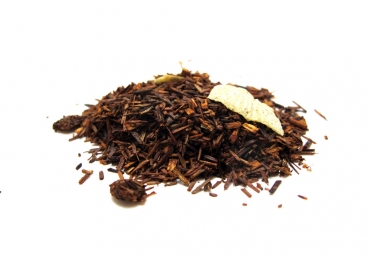
Just a couple of weeks after the discovery of banana peel as a gourmet phenomenon we meet another strange banana tea: This time it's Red Banana from Banana Republic - one of my favourite tea shops in town. This rooibos tisane is again adorned with generous coconut ribbons, and flavoured also with banana and kiwi pieces. However, the banana has nothing at all with the ice cream merchants on the beaches of Tel Aviv, nor baked banana breads: it resembles the raw, not quite ripe yet banana, with peel and all. Seep that in boiling water, and the tea is smooth yet refreshing, fantastic as an iced tea as well, and tastes convincingly natural. It's lovely with milk - or without. Now I'm just waiting to find a matching avant guarde dessert to match it, because banana bread is too spicy and not edgy enough for this cup of tea... Perhaps a raw banana cream pie? Or slices of frozen banana served with a drizzle of coconut milk?

White Silk

Home :) by Iro {Ivy style33}
Home :), a photo by Iro {Ivy style33} on Flickr.
Though the idea can fuel the imagination profusely - even in my wildest dreams never did I imagine an independent natural perfumer in Russia. Is her apothecary facing the vast tundra? Or hidden in an abandoned shed in the kolchoz? Maybe it's a posh Moscow boutique, with checkered marble floor, where ladies in Russian furs and Chinese silk tafetta marvel at her new creations over caviar and black tea drizzled with sour cherry preserves... Either way, I was intrigued. And lo and behold, not only does such a person exist - she is also talented and adds a fantastic dimension to the international indie perfumers scene. Her name is Anna Zworykina, and her eponymus line is not very known (probably due to the fact that her marketing is done entirely in Russian. 

I can't find much information about the perfumer or most of the perfumes I have samples of, as it is mostly in Russian and I can't read the Kirillian alphabet - so I don't even know what most of the names mean.  A couple of the labels were in English though, so that makes it a tad easier to at least differentiate between the several vials... All the perfumes of hers that I've smelled were of a similar style and character: sophisticated, intriguing, purely natural, with depth and complexity that is usually achieved by incorporating house-made botanical tinctures.

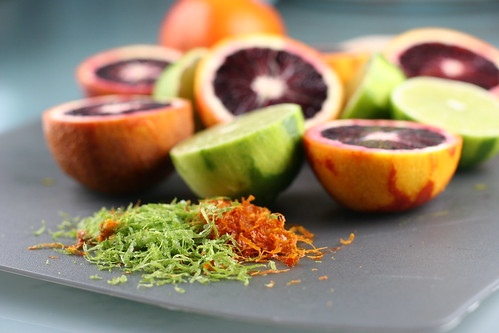
White Silk is complex yet not suffocating. Like a silk moth seems to orbit around its Chinese inspiration, with juicy citrus top notes of blood orange. The gorgeous, full-bodied osmanthus flower heart notes fade into a suave, mellow base of sandalwood powder, reminiscent of the burning incense sticks in a Buddhist temple. It is luxurious yet subtle; smooth yet with a certain rough texture. It truly reminds me of raw white silk, which is fine and rustic; simultaneously mat with shimmering light running through its threads. Beautiful. 

Spiced Citrus Vetiver

Sonoma Scent Studio has a new collection in the works - Sonoma Naturals, which I've been fortunate enough to sample its first two offerings. I was particularly curious to smell how Laurie Erickson's style translates in the new medium of 100% naturals. Although her "mixed media" perfumes are already contain a very high ratio of naturals, many of the molecules act as such powerful accessory notes that they could define a perfumer's style in such way that it would be difficult to fathom their perfumes without them. In this case, I could not imagine Laurie's perfumes without a prominent presence of violetty ionones.
 
Spiced Citrus Vetiver begins with a burst of blood orange and smooth warmth of Mysore sandalwood and a touch of very subtle woodsy spices. It is an unusually complex vetiver scent. It is refreshing and citrusy as you'd expect from such a name. At the same time it possesses a warmth that is not particularly spicy, but rather a sophisticated and woody-floral.

True to form, Spiced Citrus Vetiver contains ionones, originating in the exotic floral note of osmanthus. Osmanthus has a significant amount of naturally-occurring alpha ionone, which give this perfume a certain roundedness, as well as exotic mystery. It is suitable for the heat of the summer, reminiscent of sandalwood fans and chilled osmanthus tea and cool vetiver.

To The Ends of the Earth: Ten Fragrances That Will Transport

It is no secret that we are huge advocates for travel. There is nothing more enriching, exciting, or educating than bursting outside of your own familiar, cultural bubble and traveling somewhere far outside your country and possibly comfort zone. Summer is one of the best times to travel because most people get a little more time off and it usually means that the weather is going to be nice wherever you go. Even if you’re operating on a busy schedule and/or tight budgets don’t allow for summer travel this year - there is no excuse for not experiencing the cultures of countries far, far away this summer: Books, restaurants, recipes, movies, and of course, perfume will transport you to the desired destination fast and effortlessly!

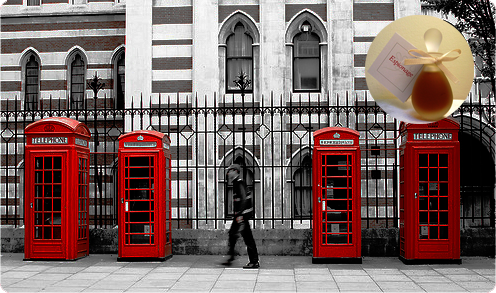
Espionage – Destination: London, England

A subtly sexy scent that blends seamlessly with the scent of one’s natural skin, Espionage is a captivating and elusive blend of precious woods, classic florals and edgy leathery notes. With tonka bean, vanilla absolute, cedar wood, and nuances of cigar smoke and leather, you will find yourself transported o a mysterious London bar in the dead of night. 

Recipe idea: Lavender Ice Cream

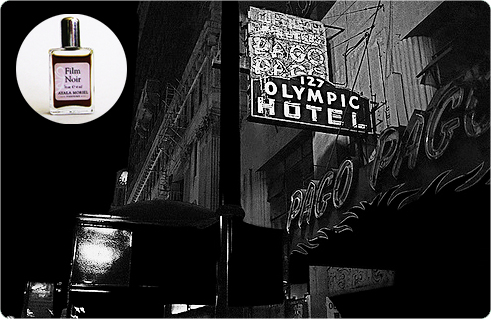
  Film Noir – Destination: Hollywood, California

 
The golden age of Hollywood, the captivating thirties and forties, was a time of drama, intrigue, unadulterated luxury and true mystery – something that seems to be all but lost in today’s over-exposed culture. Film Noir’s decadent cacao, myrrh, and patchouli fragrance will help you channel Greta Garbo and Marlene Dietrich and the effortless power and unapologetic femininity that these femme-fatales conveyed.

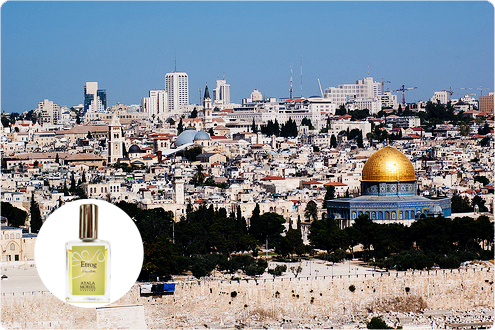
Etrog - Destination: Israel 

Etrog is the Hebrew name for citrus medica, a truly rare citrus fruit that is prized for it’s delicate floral aroma and flavor. Etrog is one of the four species in Sukkot and symbolizes the heart while representing a whole and complete person, one who has wisdom and knowledge but also compassion and who commits good deeds. This fragrance is composed of ingredients that are reminiscent of Israel such as olive tree resin, opoponax (sweet myrrh), frankincense, petitgrain cedrat (leaves and twigs from the citron tree), and crisp green myrtle. A truly captivating fragrance with rare Mediterranean  ingredients.

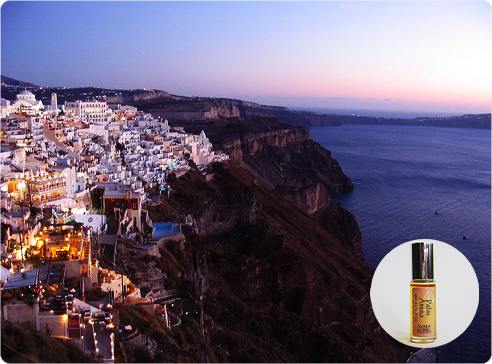
Pales Atena – Destination: Greece 

Named after the Greek goddess of Wisdom,  Pales Atena combines spices like cinnamon with a base of patchouli, amber and sandalwood, which sets the warm tone for the fragrance. These warm base notes form a powerful foundation for lavender, sweet orange, vibrant jasmine grandiflorum, and the exotic and rounded flowers of champaca (a tropical golden-coloured magnolia).

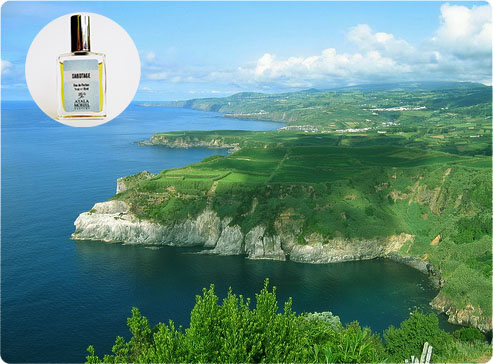
 Sabotage – Destination: Acores, Portugal 

The beauty of the Portuguese islands is incomparable in its tranquility. There is something about the vast azure sea, rolling green hills, and sharp cliffs that have captured my heart since visiting my family there in 2009. The streets lined with hydrangeas and the fragrant aroma of “maracuja” (passionfruit) and sun-baked grass and earth are what I remember most about my summer spent in Sao Miguel and Terceira.  Sabotage’s citrusy notes of orange flower, lemon zest and lemon leaf combine with earthy Haitian vetiver, pimento berry (a spice often used in Portuguese cooking) and pungent green give a little spicy twist to this scent, reminiscent of Portugal’s invigorating coast and islands.

Recipe idea: Queijadas (Portuguese Custard Tarts)


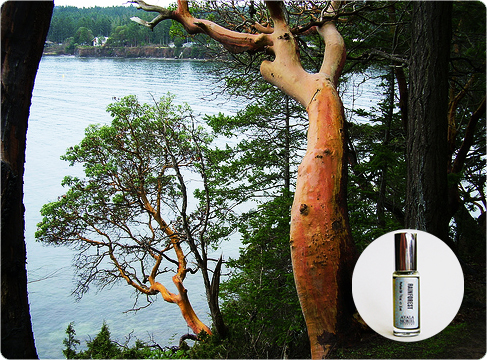
Rainforest – Destination: British Columbia


British Columbia is renowned for its breath-taking natural scenery. It’s majestic mountains, calm seas, and abundant forests define B.C as a province and make it a beloved home to its locals and a thrilling and truly stunning destination for travellers. Rainforest is a coniferous, woody, chypre fragrance that encapsulates the fragrance and feeling of walking through the rain-kissed forest, inhaling the damp moss, pine needles and soft wild flowers. Cedar-wood, oakmoss, juniper berry, violet leaf and spruce are some of the notes that compose this refreshing, very west-coast fragrance.

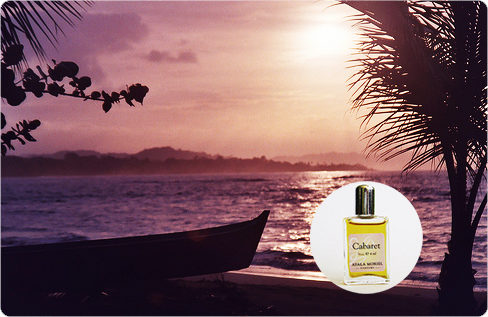
Cabaret – Destination : Caribbean
With creamy vanilla absolute, tropical magnolia, dark coconut, orris root and Turkish rose, Cabaret evokes images of nights spent on Caribbean beaches with the azure waves frothing against the sandy shore. It’s a sexy, sweet, and subtle gourmand, perfect for your sensory tropical vacation.

Recipe idea: Raw Coconut Macaroons

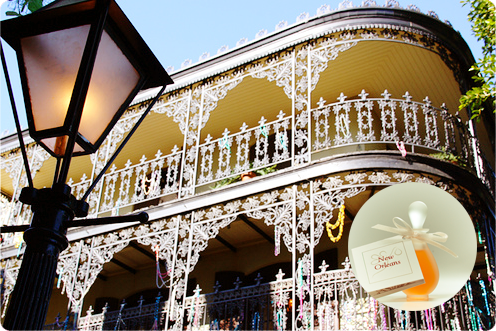
New Orleans – Destination: New Orleans, Louisiana

For those who have always dreamt of going to a Mardi Gras but have never gotten the chance to go, New Orleans is afragrance that celebrates the Louisiana coast with oceanic seaweed and ambergris supported by uplifting notes of Meyer lemon, Murcott mandarin, osmanthus, rosemary, vetiver Haiti, tea rose and white magnolia. It’s a fresh soft scent that captures the lively and irrepressible spirit of New Orleans.


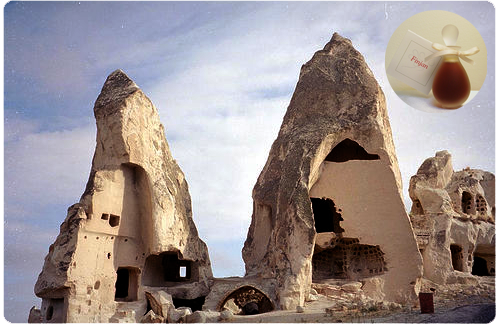
 Finjan – Destination: Turkey

 Finjanis a darkly sweet, oriental gourmand fragrance that celebrates the fragrant flavor and aroma of Turkish coffee with coffee absolute, clove, cardamom, blood orange, rose maroc, and balsam tolu. It’s a spicy unisex fragrance that will take your heart and senses to the fragrant Middle East.

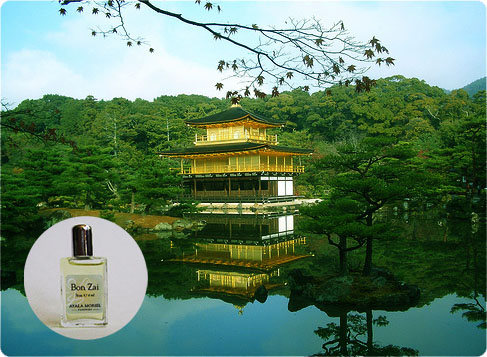
Bon Zai – Destination: Japan

Japan is an island of delicate yet striking natural and historical beauty. Bon Zai, inspired by the art of miniature bonsai trees, captures the tranquility of a Japanese garden with it’s its simple and minimalistic composition of agarwood, juniper berry, lemon verbena, Virginia cedarwood and sandalwood. The fragrance is characterized by shiso (perilla), a an herb often used as a garnish in Japanese cooking and has a striking aroma that transcends seasons.

Whether you are able to physically leave your home city, province, state or country this summer or not, we hope that you enjoy your sensory travels this summer! 
Back to the top