s

SmellyBlog

Sweet Spring Sap


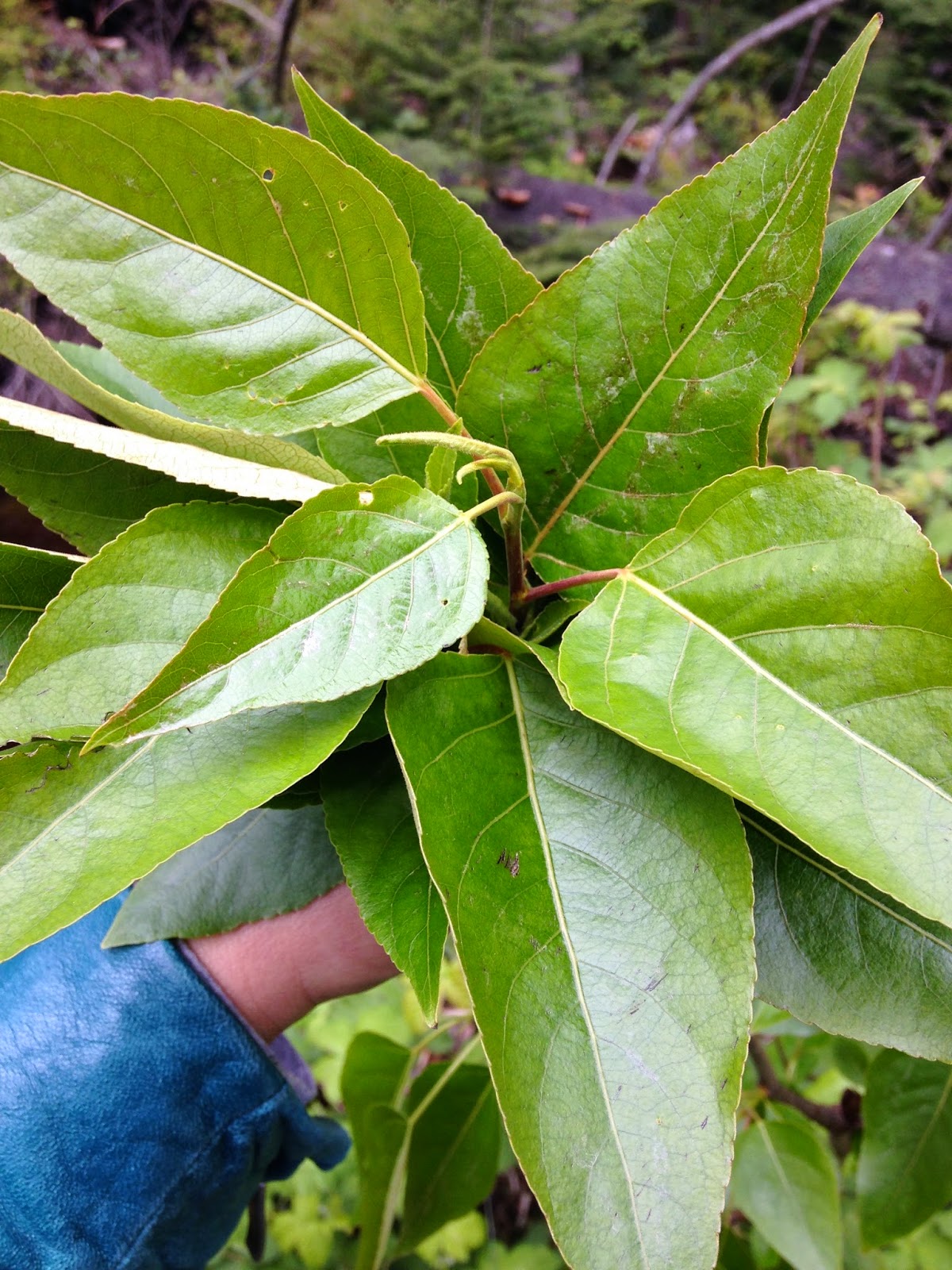
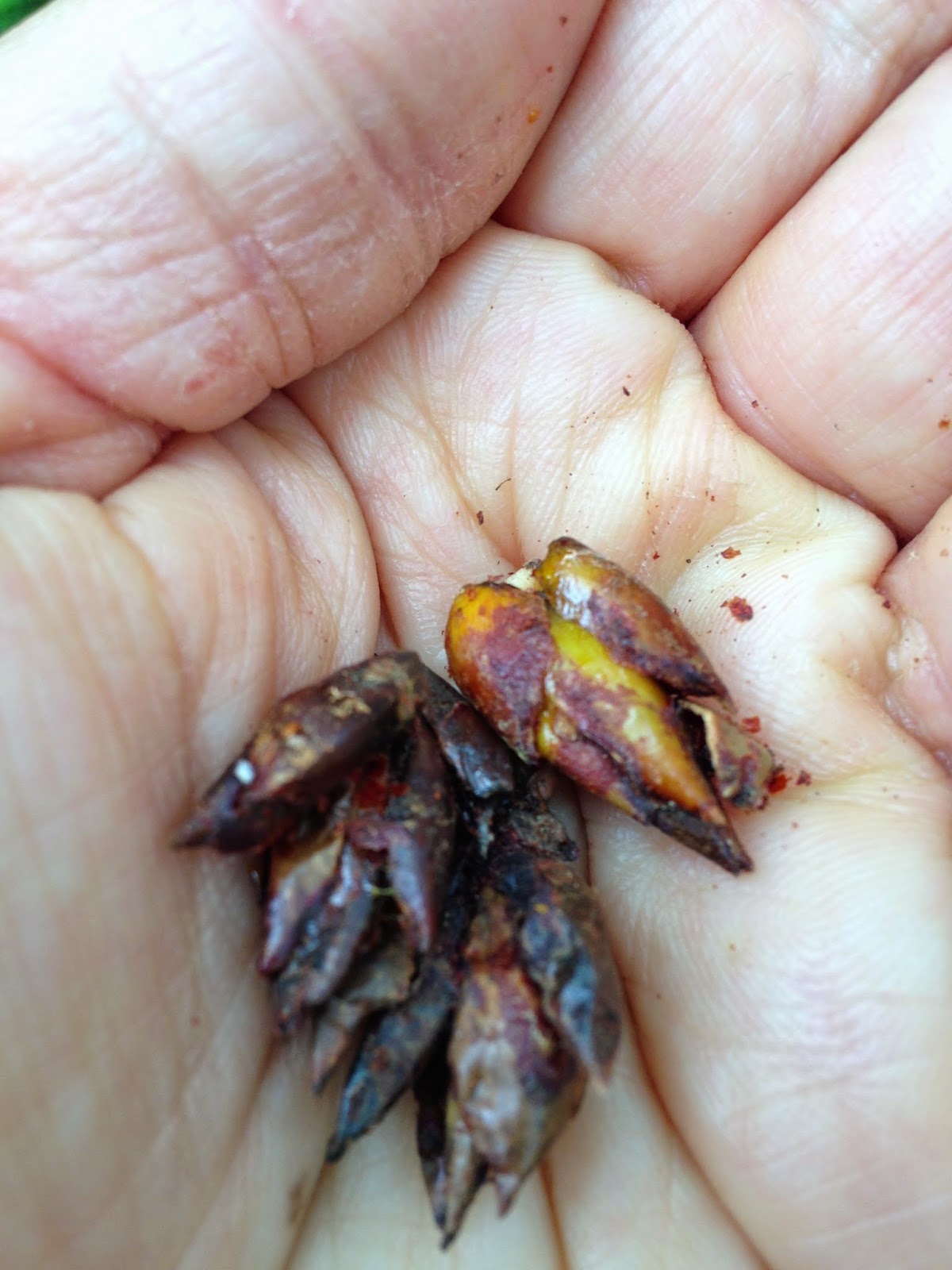
Mystery tree that gives off a sweet, balsamic fragrance reminiscent of vanilla, cured tobacco and labdanum. It took me as long as several years to identify the source of this heavenly, unmistakable smell... It is hidden, because it comes not from flowers, but from the resin surrounding the budding leaves, which first appear in spring on the completely barren trees. Sources of smell are varied and many, and somehow, even though black current buds are a known fragrance material, it just did not occur to me that this sweet smell is coming from yet to be opened buds.

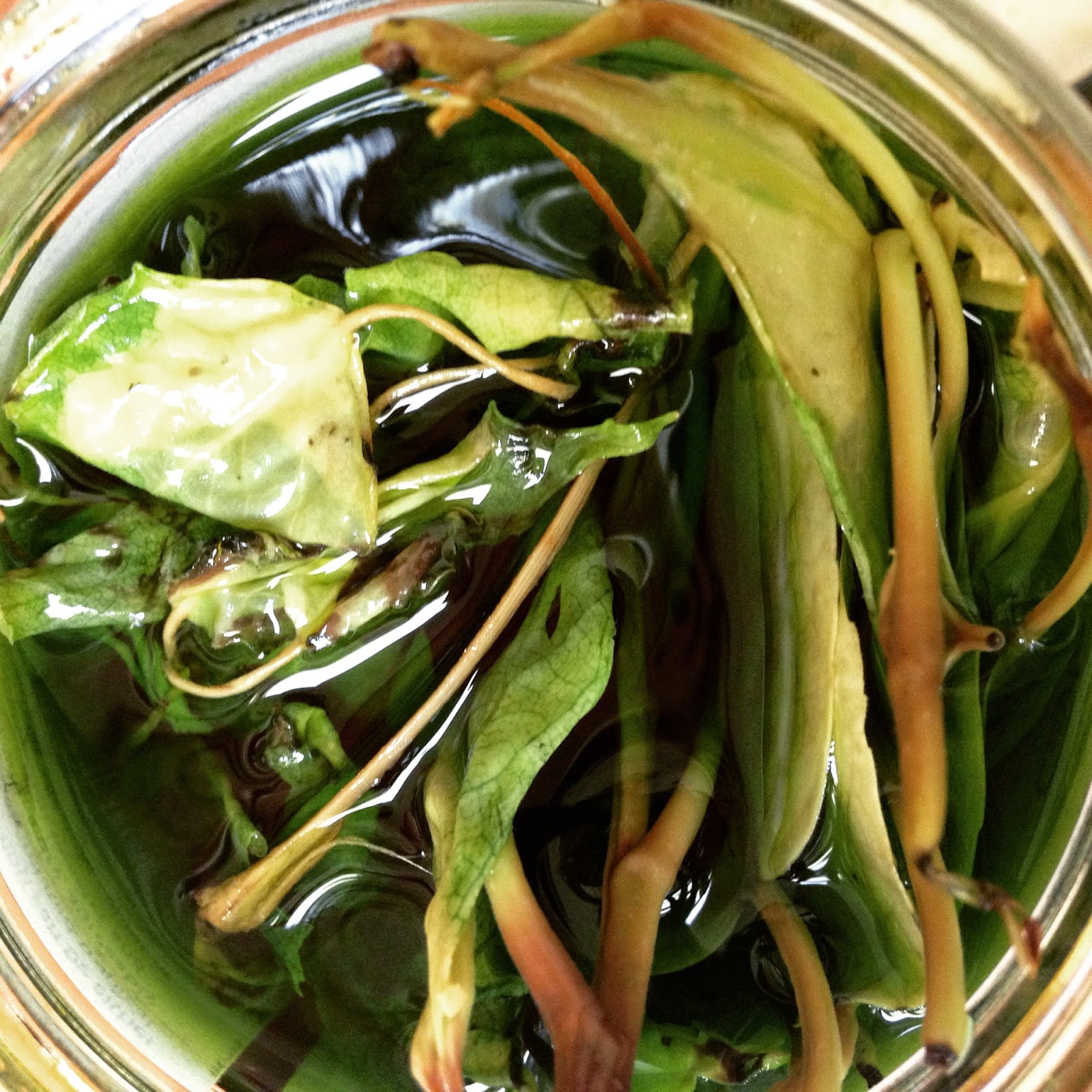
An attempt at tincturing the fragrant new leaves.


Black cottonwood buds. Sticky, fragrant - very close to balsam poplar buds absolute.

Leather & Tobacco Week (May 11-15)


Once in about four years, I run my Leather & Tobacco Week. This is an advanced course, and therefore only select few students are eligible to apply for it. This course covers studying the raw materials, the history of the Leather and Tobacco perfume genre, as well as concepts such as perfume structure, how to blend an alcohol based perfume, how to write a formula, building leathery and tobacco accords, as well two representative formulas of each Leathery and Tobacco perfumes, both in an alcohol base. Feature workshop: Scenting leather The fee includes book, materials and supplies as well as tea and refreshments.
Dates: May 11-15, 2015.

Designed for students who want to excel in their studies of natural perfumery, this week-long intensive course runs Mon-Thu from 9:30am-4pm, and Friday from 9am-1:30pm and offers theoretical and practical guidance alongside hands-on lab exercises and experiments. Friday is dedicated for feedback, summary and one-on-one sessions with Ayala for each participant.

Please note: This course is suitable only for advanced students who have completed 3 courses or more with Ayala Moriel Parfums. Prerequisites: must have completed successfully the Chypre, Fougere and Oriental week-long courses. Working perfumers may also apply to this course by sending a CV, cover letter and a sample of one perfume which they consider to be the best representative of their skill and style.

The Girl Who Smells Music


This Monday, on the very same day, I had two special people enter my home. One is an Iranian santur-maker, who also will install new carpets in my place after many years of begging my landlords to do something about it. I was so pleasantly surprised by his interest in the various random musical instruments scattered around the house, and his noble manners (unlike any other handyman that ever crossed my path) that I'm almost convinced that I should begin learning to play this elusive instrument. If only because they are handmade by him and can be carried around rather than be wheeled out by two bodybuilders whenever you need to move (or get your carpets changed).

The other was Dana El Masri, who you might have heard first about through her blog The Scentinel, through which she shared her adventures studying at GIP (Grasse Institute of Perfumery) and have just a little over a year ago launched her own indie brand, Jazmin Saraï, which is based out of Montreal.

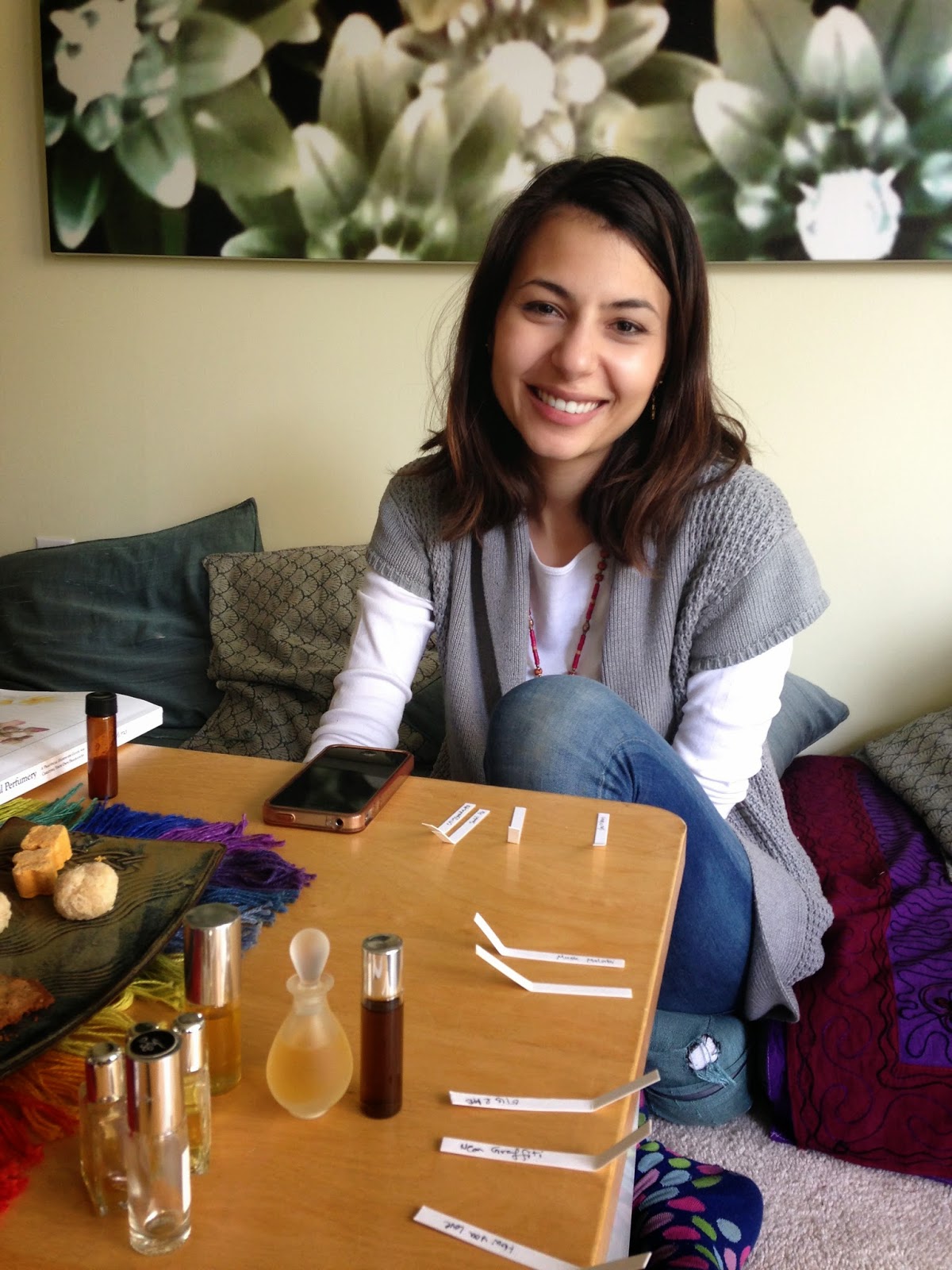
What do perfumers do when they get together? Mostly smell each other's creations and more often than never also share the woes of the industry (packaging agonies, ingredients restrictions and prohibitive costs is what we tend to whine about). It was refreshing to have a lot less of the latter, and a lot more of smelling and marvelling at what came out of each of our ateliers. The whining was more about how people can NEVER pronounce our name properly (FYI: Dana's name is simply pronounced Da-na, now "Dayna" or any other Englishized distortion of these two straightforward syllables, just as we would call her in Israel). It was a fun sniffathon and I finally got to experience not only all four of Dana's creations, but also the fifth one that she's working on. They were all gorgeous, well-composed and original and I must admit that even though when I looked at the website a year ago I was a bit skeptic of the music and perfume connection, once I smelled the perfumes all my doubts have disappeared.

Otis & Me:
Smoky yet light and green. The most subtle, and the most natural-smelling of the bunch (by the way, all of Jazmin Saraï perfumes have a high proportion of naturals, which is very apparent). Unfortunately it did not fare well on my skin and with all the strong personalities next to it I was barely able to experience its evolution on the skin. This one deserves a proper sampling. But suffice is to say that it is based on coffee - a note that I feel is underappreciated in the perfume world. It is actually a lot more diverse and capable than just making appearances in gourmands.

Neon Grafitti:
Fruity yet green, floral and with an underlining musk (FYI: Dana only uses macrocyclic musks, and these are the ones that not only smell better but are also the kind that is naturally occurring in various plants and are more friendly to the environment). It smells cool and a bit metallic, but also very vibrant and colourful. It reminded me of a scentsthat I admire but can't get near anymore, unfortunately (due to negative conditioning) - l'Ombre Dans l'Eau. It also smelled like a more fleshed-out rendition of what I would have imagined Jardin Sur Le Nil should be like before actually smelling it. It has the mango - not quite ripe and overly sweet mango, but still little green, and there is a lot more body and an interesting evolution to it the Sur Le Nil (which I experience to be only an empty aura - sillage with no personality).

How You Love:
Begins very sweet with a well-rounded sweet honey note. Nothing funky there (which is always a challenge with honey). It envelopes you like a hug. It's how I would imagine the honey perfume that Alyssa Harad talks about in her book Coming To My Senses (I know she reveals eventually what it is - but I never smelled it, so I can keep imagining it as something else all I want). There is a nutty element that reveals itself as some point, a little like hazelnut, and the dry down, while still maligning a lot of the honey, also has a warm, slightly dirty musk beneath it all. Dana has graciously left a sample of this behind, so I will wear this again and write a proper "review" of this soon.

Led IV:
Olfactory portrayals of Rock n' Roll often involve patchouli. So this "translation" is not what makes Led IV original. What does is how the patchouli is played: the fermented, wine-like quality of this controversial note are amped up by boozy davana. An herb from the Artemisia family that walks a fine line between smelling like strawberry jam, to someone who puked their strawberry daiquiri... It might sound gross, but it's what makes this note both challenging and satisfying to work with. The more I let Led IV sit on the skin, the more it grew on me: the warm, spicy muskiness of patchouli mingled with this oddball of an accessory note, complementing it but also making it very clear that it's not a patchouli like all the other niche patchoulies that have saturated the market as of late.

No. 5 was the lovelies of them all. It does not have name yet, but it's based in castoereum, and both the leathery and amber qualities really stand out right from the start. These are beautifully complemented by the leathery floral notes of osmanthus absolute. It's dripping honeyed labdanum. It has a luscious, incense with smokey-honey character underlined with a subtle, slightly nutty musk. The drydown reminds me of Laurie Erickson's beautiful Incense Pure. I am pre-ordering a full bottle of this. I have forgotten to ask her what song was the inspiration for this scent. So we will all have wait patiently until its name is revealed...

While the connection between the Santur-making careptman and a synesthetic Egyptian princess may seem only apparent to me - the connection between music and perfume is more than random. Emotions, frequencies and the same area of the brain processing both is what make these two mediums so profoundly deep and ineffable. We remember our loved ones not only by their scent, but also the sound of their voice and the music we listen to while with them. That's why we'll often find ourselves hugging an unwashed sweater while listening to old records when our baby is gone for a little trip (and of course both will trigger the waterworks if we end up breaking up).

Citrus & Cologne Week + Lab 101 (May 4-8)


There are 2 available spots at the Citrus & Cologne Week-long Course.

Designed for students who want to excel in their studies of natural perfumery. This week-long intensive course runs Mon-Thu from 9:30am-4pm, and Friday from 9am-1:30pm and offers theoretical and practical guidance alongside hands-on lab exercises and experiments. Friday is dedicated for feedback, summary and one-on-one sessions with Ayala for each participant. 

This course is mandatory introductory course to all new students, and focuses on the basic lab skills (tincturing, dilutions, measuring, weighing, recording) through studying the earliest form of European/Western perfumes: Aqua Mirabillis AKA Eaux de Colognes.


You'll really enjoy discovering historic formulae, as well as learning about the unique properties of the citrus oils in body care and cleaning products (functional perfumery), learn a bit about organic chemistry, and - the biggest challenge of all: learn to discern between the sutble nuances that differentiate the many varieties of citrus oils, i.e. red mandarin vs. yellow mandarin; grapefruit vs. bergamot; lemon vs. lime; sweet orange vs. bitter orange.

The main objectives and topics that will be covered this week: olfaction (studying the raw materials), how to follow an existing formula, scale-up, how to write a formula, building cologne-type accords and creating simple solid perfumes, as well as cologne and citrus formulation in an alcohol base.

Featured Lecture: The Role of Citrus Oils in Functional Fragrances

Featured (Practical) Workshop: Tincturing citrus zest and citrus leaves

Course Schedule and Structure:
The course runs May 4-8, which is a full week - Monday through Thursday from 9:30am to 4pm; and Friday from 9am-1:30pm and takes place at Ayala Moriel's private home studio.
The mornings (9:30am-12pm) are dedicated to theory and studying olfaction (discerning between notes). The afternoons (1pm-4pm) are a lab session which is dedicated to the practical implementations of what was studied in the morning, i.e. weighing, measuring, recording, formulation, composition and compounding.

The fee includes book*, materials and supplies.

Dates: May 4-8, 2015

* For new students only. Returning students will be using the same textbook they received in the first week, which accompanies the entire program.

Springtime in the Forest

On this beautiful Earth Day, I'd like to share with you the wonders of my part of the planet. Subtle scents permeates the air in the Pacific Northwest at this time of the year: Soft tassels of new growth fir and spruce trees - their scent reminiscent of citrus and fresh-cut grass. Fiddleheads emerge from the damp forest floor. They spiral towards the light and their shoots are tender and delicious. Miniature galaxies of elderflowers, with their blackcurrant-like aroma dot the forest like little fragrant stars. And last but not least: the balsamic sweetness of the budding black cottonwood trees, which envelop the forest trails with a promise of sweet, warm sunny days. 

All of these are nature's reminder to steer away from the floral cliches and celebrate spring with other plant-parts. If you are like me, spring is the time of year to rediscover the classic Fougeres in your wardrobe, and discover new plants that are coming to life, as well as discover new wild plants to forage and bring nature home, literally, after our long hibernation.

1. Fiddleheads

Fiddleheads are the budding, coiled “leaves” of ostrich ferns  (Matteuccia struthiopteris). The fiddleheads are present in early spring, and are considered a delicacy. They have a very similar to asparagus in both flavour and texture - but a lot more tart. 

Perhaps it's the fiddleheads - spring to me is the best season to enjoy fragrances from the Fougère (fern in French) family. Namely, l'Herbe Rouge. You might also want to try my idea for an Edible Fougère Recipe: Fiddleheads in Lavender Butter

2. Fir Buds & Violet Leaves

A wonderful way to enjoy the scents of the forest all day long is place a few of these conifer buds in your water bottle. Douglas Fir is the most delicious of all - and the needles can be used that way year-around. You'll stay hydrated and also benefit from the vitamin C that is naturally occurring in these leaves (the only local source of those until the summer berries ripen). They smell like a Christmas tree and have delicious, slightly tart lemon-tangerine aroma.   


Rainforest perfume captures the scent of the temperate Pacific Northwest forests - the largest of the temperate forests in the world, and with the most productive biomass. It combines the fragile, crisp cucumber notes of violet leaf with damp forest floor with sprucejuniper and pine
Rainforest also makes use of my very own wild-harvested elderflowers essence - which is our next topic! 

3. Elderflowers

If you've ever visit my studio in April and May, you'll be served the fragrant and refreshing elderflower"champagne" - effervescent soda infused with wild-foraged elderflowers that I make at home. You can create your own by following my recipe on SmellyBlog. Also, you may enjoy a subtle nuance of elderflowers in Sandal Ale - where it adds a fruity aroma to balance the sweet apricot and funky hops notes.

4. Cottonwood & Balsam Poplar Buds

I'm yet to try this Cottonwood Bud Oil Recipe, an infusion that has healing properties for muscle aches and damaged skin; but I've been inspired to capture this scent in a perfume by tincturing it. 
Etrog Oy de Cologne, however, uses a different part of a tree from the same family: balsam poplar buds absolute. It gives it a unique, honeyed aroma that echoes the sweetness of the rare citron fruit. And speaking of citrus - have you heard about the Citrus & Cologne Week-long Course (May 4-8)? It's perfect for beginner students of perfumery, and there are 2 spots available. 

For more ideas on how to celebrate the beauty and diversity of this planet with local, handcrafted perfumes made with wild-harvested botanicals, visit ayalamoriel.com
Back to the top