s

SmellyBlog

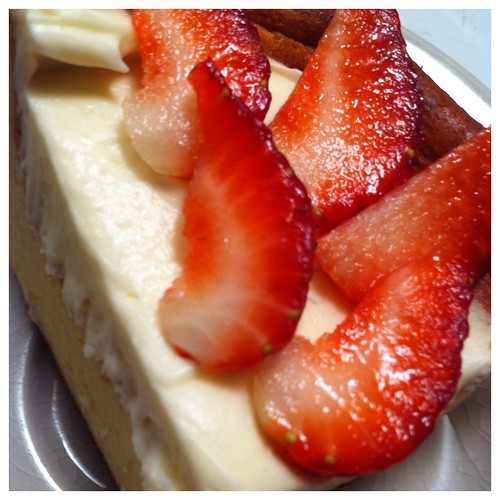
Best Shavuot Cheescake Cake Ever

Cheesecake with vanilla cream for Shavuot

Shavuot, the holiday of receiving the Torah, and celebrating the wheat harvest, the first summer fruits and the newly born lambs and kids is here (the 2nd day of it, to be precise).
I've written before about milky notes in perfumery, and I have just updated it with some newly found and thought about notes.

For the culinary aspect of the holiday, eveyrone agrees that cheesecake is a must. Herding is the traditional, ancient lifestyle, and therefore celebrating the birth of newly born kids and lambs and the milk that flows with them is a tradition every late spring.

I'd like to share with you my favourite ever cheesecake. It is simple to make, but tastes and feels so extravagant, that I only bake it once a year - if I can. And if I can find quark cheese. Which should be more readily available for baking enthusiasts like me; but is not only hard to find but also ridiculously expensive. Even more than cream cheese. In Israel, the cheese used for that is a soft cheese simply titled "white cheese", and it's considered a staple food and priced accordingly. It also has far less butterfat - typically 9%, but also in lower fat (5% and 1%). Anyway, quark cheese is as close as it can get to the original recipe.
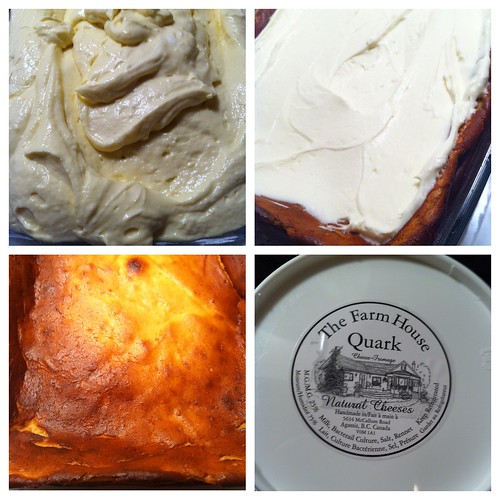
The making of a cheesecake
Ingredients:
1kg Quark Cheese
5 eggs, separated
1 package instant vanilla pudding (see notes below for alternatives)*
4 Tbs tapioca starch (or corn starch)
1.5 tsp Pure Vanilla Extract 
1 cup fine raw sugar (evaporated cane juice)
Zest of 1 organic lemon
Pinch of salt
1 cup whipping cream
1/2 cup whole milk

For the cheesecake:
- Line a springform pan with parchment paper.
- Pre-heat the oven to 160c (320F)
- Beat the egg whites with a drop of lemon and a pinch of salt, just until light and fluffy.
- Add 1/2 cup of sugar and continue whipping until soft peaks form. Set aside
- Beat the yolks with the remaining sugar.
- Add 1tsp vanilla extract and the lemon zest
- Add the quark cheese and beat until smooth
- Beat in the tapioca starch and 4Tbs of instant vanilla pudding powder and ensure the mixture is smooth and uniform
- Fold the egg white mixture into the yolk until well blended.
- Pour into the pan and spread it evenly.
- Bake in the oven for 60-80min, until the cake is golden in the centre and lightly brown on the edges.
- Let the cake cool slowly inside the oven, while you leave the oven's door slightly open.

For the vanilla cream:
- Combine the whipping cream, milk, remaining package of instant vanilla pudding and 1/2tsp of pure vanilla extract in a bowl.
- Whip on high speed until the mixture is creamy and fluffy.
- Once the cake is completely cooled down, spread the cream on the cake and decorate as desired (you can make a pattern with a fork, or use a fancy piping if desired).
- Chill for at least 2 hours before serving.
- Serve alone or with fresh fruit. This cake is so incredibly balanced in flavour that I never feel I need to serve it with anything really; but chocolate milk is an option, as is cafe au lait, fruit flavoured kombucha or a milky oolong.

* This cake calls for instant vanilla pudding, which is essential for getting the beautifully smooth and thick cream on the top. This processed product has its merits, but also tastes like fake vanilla. To improve that, I suggest adding some pure vanilla extract to the cream. But you can also seek out alternatives to instant vanilla pudding cream if you're a purist.
If you'd like to substitute the instant vanilla pudding in the cheesecake portion (not the whipped cream topping) - I suggest you substitute the 4 Tbs of instant vanilla pudding mixture with 4 Tbs of tapioca starch, and add 1/8tsp xanthan gum. It works fantastically well consistency-wise (maybe even better than with the instant powder), and you won't feel at all as if the cake is any less sweet.
For the topping I'm still experimenting with more wholesome alternatives; but for now I just want the good old fashion flavour and texture of my grandma's cheesecake.

Budding Needles

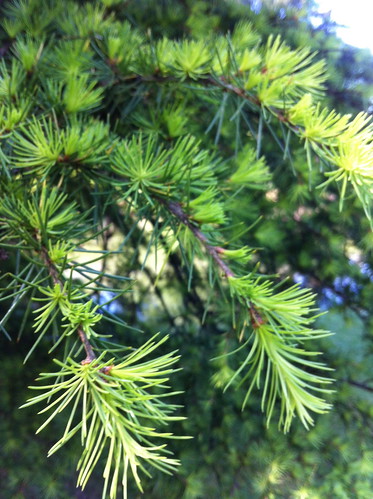
Budding Cedar of Lebanon by Ayala Moriel
Budding Cedar of Lebanon, a photo by Ayala Moriel on Flickr.
Last week I had the short-lived yet delightful opportunity to forage a minute amount of spring needle tips with my mom to use in teas.

Conifers were not made equal, and some were better suited for this purpose. Notably, Douglas fir and some types of spruce produces the most delightful young needles: tender like sprouting wheatgrass; and soft like a silky tassels. But of course what's most important is their aromatic and flavour profile: look for spring tips that have a delightful refreshing yet sweet aroma, reminiscent of lemon zest and tangerine peel and a breath of forest after rain.

How can you tell which ones to pick? If you don't know the specific species, use your senses to assess the tea potential of these spring forest buds. Rub them between your fingers and inhale. If the scent appeals to you, that's a good start. But what's most important is the taste. Don't hesitate to nibble on some (they should be soft and tender when you pick them, so don't worry about puncturing your cheeks...). If they taste acrid, dry and bitter - forget about them. If they are slightly tart, delicately aromatic and leave only very little dryness in your mouth this would also be your experience when you brew them into a tea.

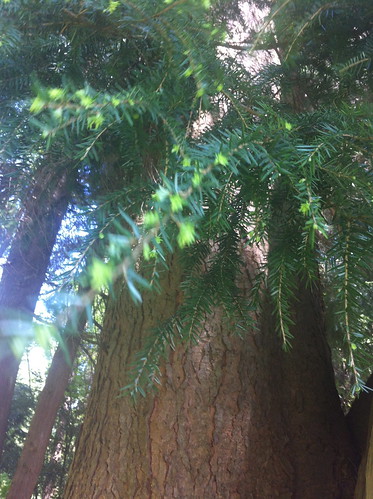
The tips pictured above are of Cedar of Lebanon (taken at the Van Dusen Botanical Garden). These look pretty and feel soft; but don't have any of the qualities you'd want in a forest-foraged-tea. Below are Douglas fir spring needle tips. They are very short and require a lot of work to harvest; but their aroma is superb! And to boot, they are rich in vitamin C, which would be a wonderful supplement for your immune system in the spring or any time of the year.

Douglas Fir Needle Tips

Once picked, spread the needle tips or "tassels" on a tray to thoroughly dry in the shade: away from light, heat and, of course, humidity. Once they are thoroughly dry, store in an airtight container and steep in boiling water to make a delicious, fragrant tea (1 tsp per 250ml) that can be served warm or chilled.

Transition to Satin

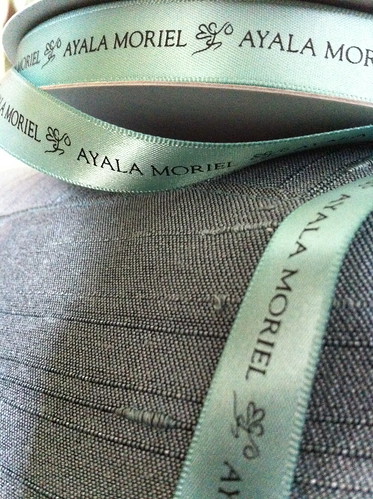
Satin Ribbons by Ayala Moriel
Satin Ribbons, a photo by Ayala Moriel on Flickr.
Slowly but surely, I'm switching my merchandize into the spanking-new packaging. The last component just arrived recently: the name and logo printed along 500 yards of satin ribbon!
And soon, also our retailers will be switching to the new "look". Some are even having items on sale to make room for the new packaging and branding. For example: Dream in Gastown will give you 20% off all of my perfumes they have in stock, while quantities last. This is also an excellent opportunity to check out their new location: They have just recently moved to a gorgeous new space next-door on 356 Water Street (where "Two Of A Few" used to be - on the corner of Water & Cordova).

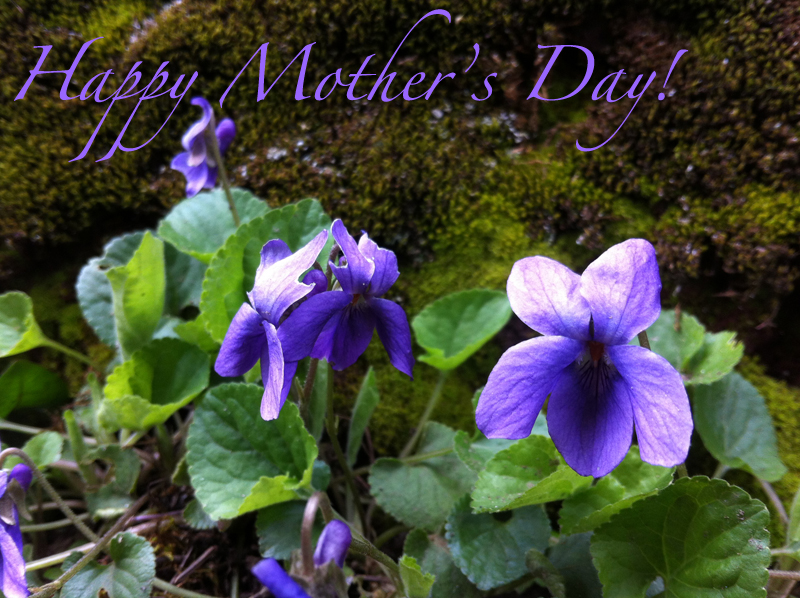
Happy Mother's Day!

My mom was always an au-naturelle kinda gal who loved real flowers but not perfume. So she never wore scent, but preferred floral prints instead, and would always pick beautiful flowers to cheer me up and weave a beautiful crown of spring flowers for my birthday. She even put edible blossoms in my salad (nasturtium and wild garlic flowers), and would cut the radishes into flower-shapes to encourage me to eat them. 
Although she never worn perfume - she always loved aniseed tea and caraway-studded breads. So it comes as no surprise that to this day, I associate her with anise and and the enigmatic notes of violets and iris, which I find as soft and mysterious as herself and the midnight-blue crushed velvet she liked to wear. Kinda like what I imagined l'Heure Bleue when I read about it and before I smelled it.

It was only years later that she told me that indeed violets, anise, chocolate and vanilla were her favourite smells (before she lost her sense of smell almost permanently due to chronic colds...). And she also loved the lilacs she picked for me in her first visit to Vancouver (which sadly ends tomorrow...) Years ago,
I created Indigo perfume in her honour, and I've put anise, caraway, boronia, violet, carnation, orange blossom, frankincense and amber in it... Now I'm thinking that although I was probably on the right track - I should make her another perfume, and hopefully she could smell it occasionally - with cacao and vanilla absolutes, violets and anise.  
What perfume did your mom wear as you were growing up? Or what scents do you associate her with?

Leave a comment and enter a draw for a mini of Viola, my violet soliflore, a decant of Patricia Nicolai's Sacrebleu and a few other goodies... And - a quick reminder, that today is the last day of my Mother's Day free shipping online event.
Back to the top