s

SmellyBlog

Mastic Magic


Mastic Wreath
On January 8, 2018, I had the pleasure and honour to co-host a day-long workshop with Dan Riegler of Apothecary's Garden, who came all the way from Canada for some resinous adventures in the Holy Land. Here are some photos from our day together, along with 5 students from across the country.
Mastic Wreath

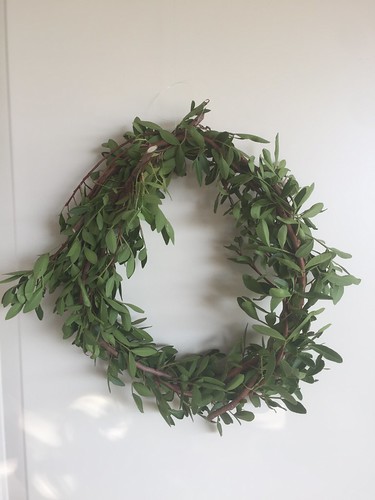
Mastic wreaths, to greet you at the door. Harvesting mastic branches and separating the leaves for distillation was part of the practical side of the workshop. We also dabbled in some very basic basketry related skills, turning these branches into a decorative chain. 
Mastic leaf distillation (Hydrosol)
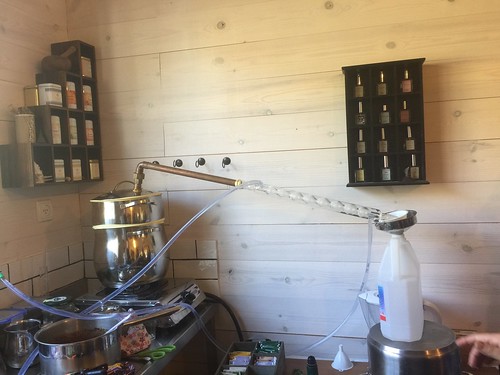
Here is the still (a converted couscousiere) which we used to demonstrate distillation process. We produced only distillate waters (hydrosol). 
Preparing mastic leaves for distillation


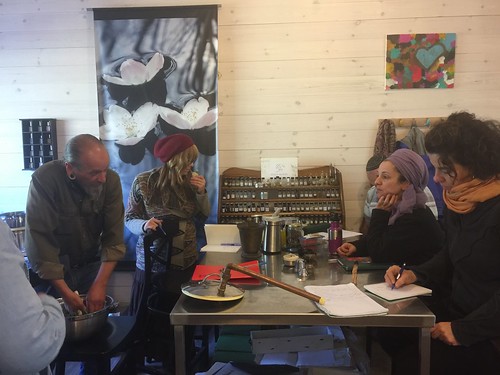
Dan setting up the still and crushing the mastic leaves a bit more...

Lunch with a view

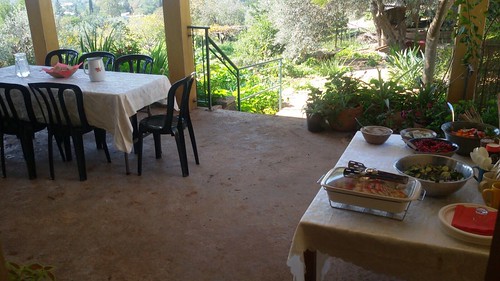
We went over to my brother's on our break, to enjoy lunch he cooked especially for us, and enjoy the beautiful view from his porch.

Mastic Branches, Leaves & Resin
Mastic before it's getting crushed and macerated over low heat with olive oil to create a mastic-olive oil infusion. 
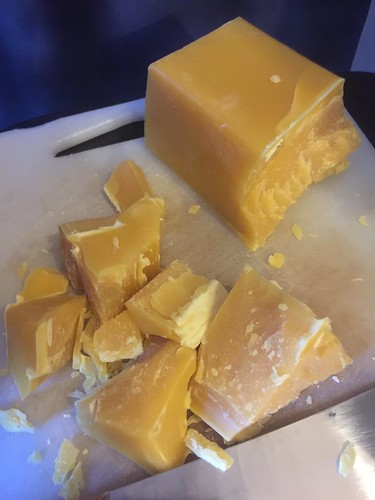
Canadian beeswax - yum!
Beeswax from Canada, which along with the mastic-infused olive oil was handcrafted into a healing salve (great for treating eczema and other skin conditions). 
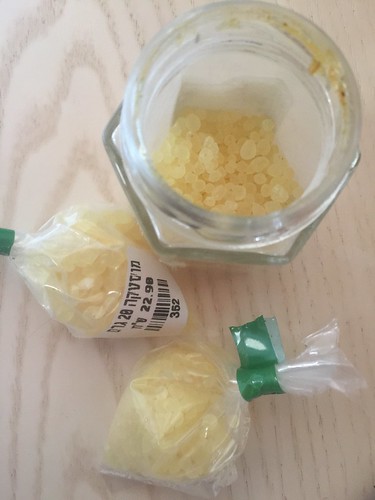
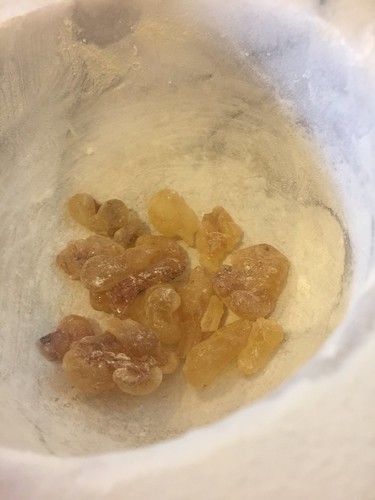
Mastic
Mastic resin from Chios, Greece. 


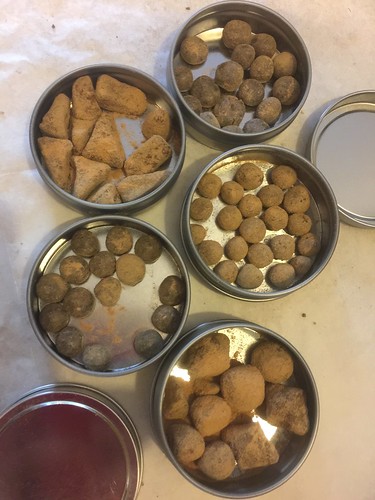
Incense pastilles
Incense pastilles - made from mastic and frankincense tears, to which we've added mastic leaf tincture and other aromatics to create a customized incense "candy". These can be enjoyed by warming them over an electric hot plate or an essential oil diffuser, or placing over a charcoal like you would with loose incense.

Hope to see you next time for another great botanical workshop! 


Bois d'Encens

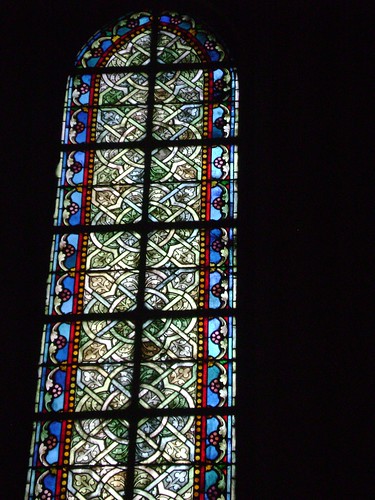
Notre Dame

Frankincense essential oil only presents certain aspects of the resin, reminiscent of citrus zest (lemon, orange) and sharp turpentine qualities in various degrees of harshness, depending on the oil's quality. The dry down of frankincense oils is typically powdery and faint, leaving much to be desired in both longevity and the scent itself. All in all, frankincense distillations generally pale in comparison to the rich experience of smouldering resin smoke that Church-goers and incense addicts are so fond of.

The reason for all this is rather technical: frankincense resin (and resins in general) are made of essential oils, gum and resin. The gum is water soluble, often creating a plasticity (this is especially apparent in mastic, the resin from Pistachia lentiscus).

Bois d'Encens is one of the most realistic frankincense scents I've ever smelled, which, given the above factors, is not an easy feat. Rather than smelling like the oil, it brings to mind the burst of citrus and dust that occurs when you place a tear of frankincense on a hot charcoal, followed by an explosion of essential oils released in thick smoke. So far, this is the only Armani that ever spoke to me (the rest of the Armani Privé collection seemed mediocre, or at best pretentious - a trend that is sadly saturated the faux niche market from its very conception).

Frankincense Tears

But, as common with modern niche fragrances, there is a culprit. And that shows itself in the dry down, which often with the incense genre falls into the disinfectant-soap basin, with musk molecules or iso-E-super that break down the illusion of authenticity. Thankfully with this number, it happens later into the game (then, in, say Kyoto by Commes de Garcons).

Clil Art & Cultural Crawl

Clil Art Crawl 19.12.2017
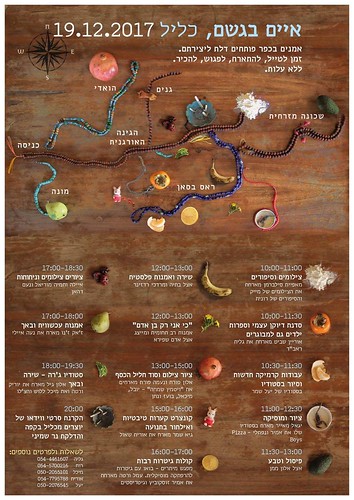
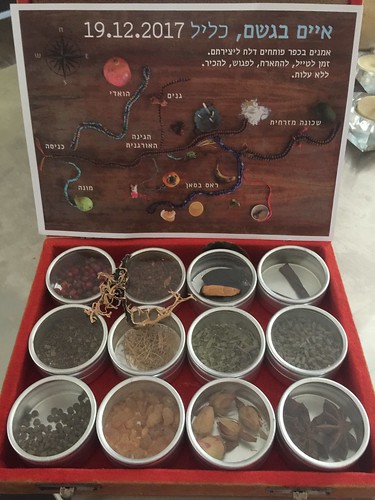
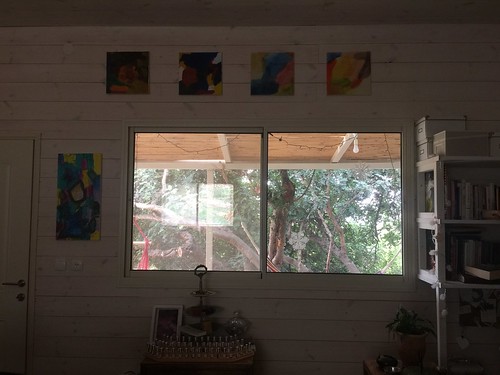
Some ideas are so brilliantly simple that you wonder how come they never happened before. Such was the first ever Clil art & culture crawl (titled "Islands in the Rain" even though heavens knows when it's actually going to rain here...). It was a day bursting with art and creativity in, by and for our community. An intimate event where the village's inhabitants can walk from studio to studio (those who wished to participate, of course), and get to see what their neighbours are up to. Above is the legend of the map of the event, also a testament to how much love and creativity went into organizing the event.

Clil Art Crawl 19.12.2017
There were lots of artists involved from multiple disciplines, including many visual art studios hosting creators in other mediums, such as poets and musicians. So there was lots to see, hear and listen to, and the focus was on art and community and not on commerce of any kind.
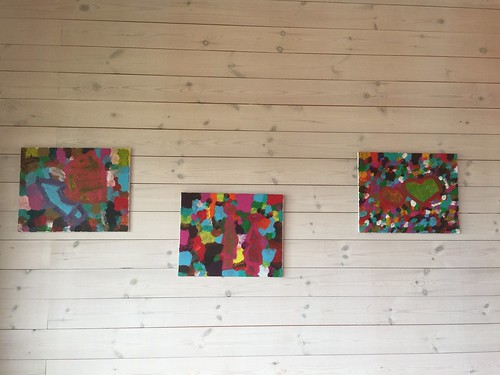
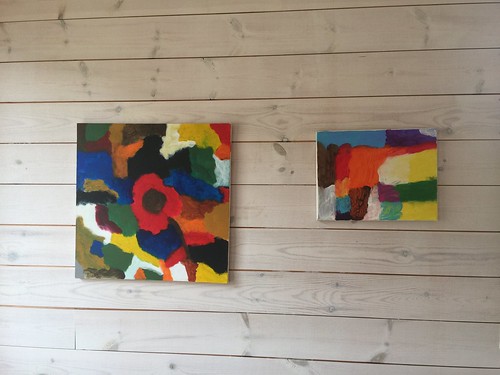
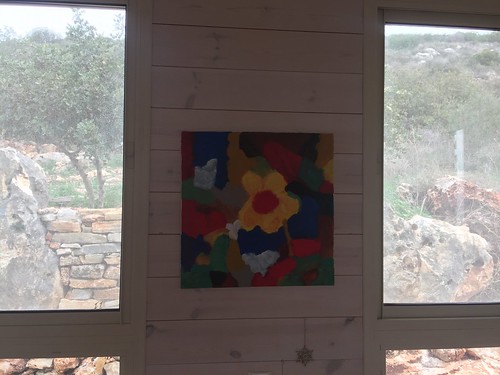
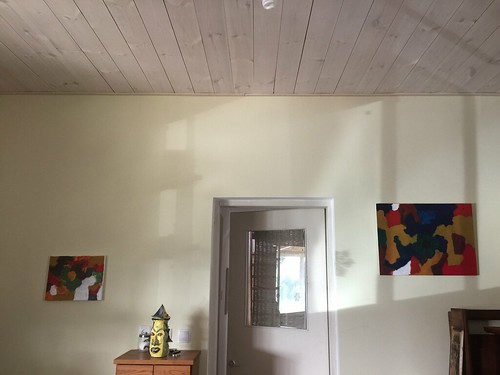
Tamya and I just showed our art and answered questions, and felt happy and proud about it.

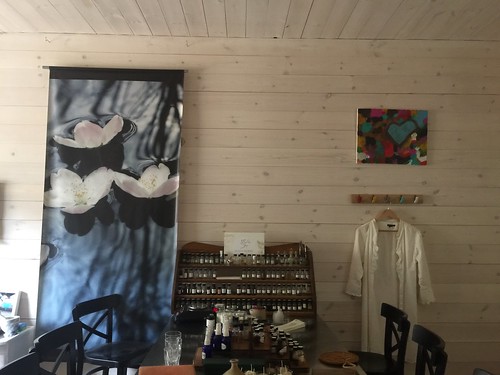
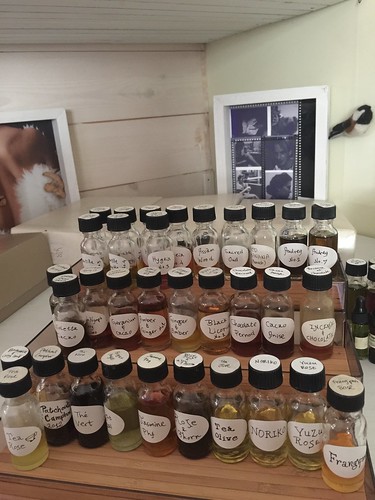
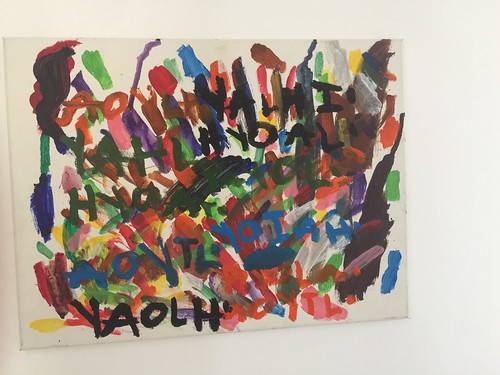
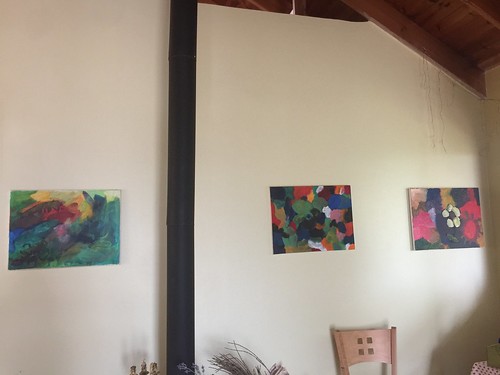
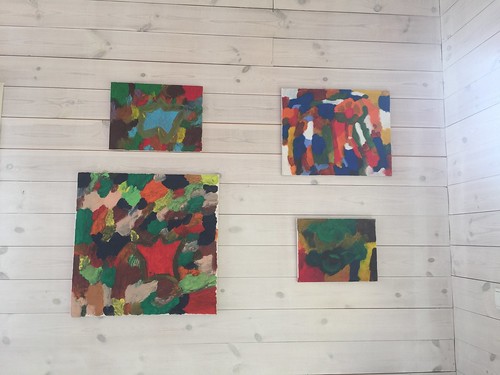
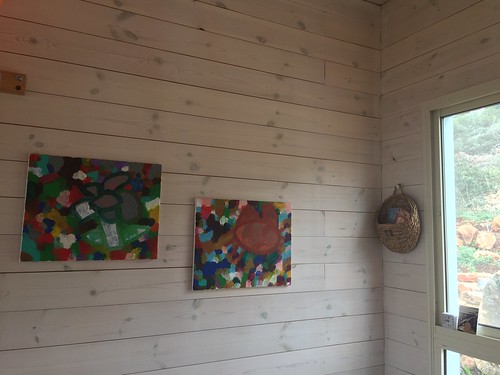
I'm not really going to write much more, just post a few pics of the setup of what me and Miss T had shared during this open house. They pretty much speak for themselves and allow you to imagine what it would be to crawl with the rest of the village and get a glimpse into our world.

It was so heartwarming to see the people - some old friends, some I've never met, or just heard of, and feel that the community here is so creative, supportive and appreciative of our art. I only was able to visit three more studios besides hosting our own event - and it was so awe inspiring, everyone's creativity and just seeing them their own space and element. As I strolled from one event to the next, I saw people happy, full of impressions from where they've just visited and excited to venture into the next studio space.
The event left us with taste for "more", wishing it would happen again and soon. Hopefully next Hanukkah, and the next... In short, let's make it a tradition!

Clil Art Crawl 19.12.2017

Clil Art Crawl 19.12.2017

Clil Art Crawl 29.12.2017

Clil Art Crawl 19.12.2017

Clil Art Crawl 19.12.2017

Clil Art Crawl 19.12.2017

Clil Art Crawl 19.12.2017

Clil Art Crawl 19.12.2017

Clil Art Crawl 19.12.2017

Clil Art Crawl 19.12.2017

Clil Art Crawl 19.12.2017


Blue Lotus & Mandrake

Blue Waterlily AKA Blue Lotus

What do blue lotus and mandrake have in common?
For one thing, I spotted both growing wild in Ein Afek nature reserve, the remnants of the wetlands of the Na'aman river, whose origin springs are just southeast of the beautiful city of Akko. Secondly, both have hallucinogenic properties, and were valued by herbalists, magicians, shamans and witches for thousands of years.
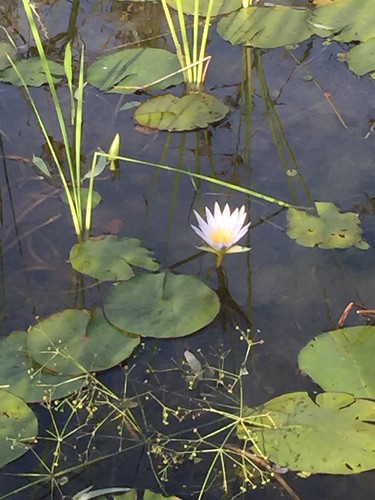
Blue Waterlily
Blue Lotus (Nymphea caerulea) is truly a blue waterlily, highly prized by the Egyptians, who treated this plant that grew in abundance along the Nile Valley. Nowadays, it is a scarce plant that grows in marshes and ponds in that area. The flower blooms only for 3 days, in which it rises 20-30cm above the water, opening around sunrise, between 7:30-8:00am and closing around noon, a cycle that echoes the solar rising and setting.

To the ancient Egyptian imagination, the yellow centre with its shooting yellow stamens set agains the blue flower symbolized the sun set in the azure Egyptian skies, and associated the "sacred lily of the Nile" with the sun god Ra. Blue lotus plays a role in an even earlier Egyptian myth - a myth of creation, which tells how the flower rose from "Nun" - the chaos - even before the sun itself was created.

"I am the pure Lotus which springeth up from the divine splendor that belongeth to the nostrils of Ra. I have made--my way--, and I follow on seeking for him who is Horus. I am the pure one who cometh forth out of the Field." (The Papyrus of Nu).

Garlands of blue lotus were found in tombs and are portrayed and mentioned in the Book of Coming Forth by Day (AKA Egyptian Book of the Dead) - the guide for the soul in the afterlife.  "Transformation Into Lotus" is described in both in the papyrus of Nu and the papyrus of Paqrer. Blue lotus was also found in countless frescos and decorations on various ritual chalices. The priests would steep  the flowers in wine and harness its narcotic and hallucinogenic properties in their rituals to reach a state of ecstasy.  The flower's naturally occurring amorphine, nuciferine and nornufcferine are what give it hallucinogenic properties.

The Egyptians would steep the flowers in wine, thus creating a narcotic concoction that was used for ritual by their priests. Additional ancient mention of lotus' hallucinogenic properties are the Lotophagi ("Lotus Easters") in Homer's Odyssey.
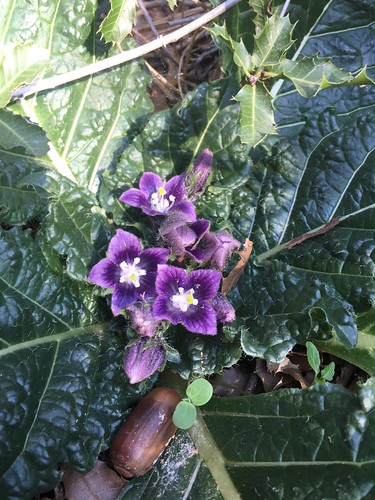
Mandrake Flowers
Few plants are as intriguing as the Mandrake - a highly poisonous plant from the nightshade family that is native to the Mediterranean and most of Europe. The species that grows in Isarel is the Mandragora autumnalis, and it's been mentioned twice in the bible:
“The mandrakes send out their fragrance; and at our door is every delicacy; both new and old; that I have stored up for you, my beloved.” - Song of Songs 7:13

And in the book of Genesis an elaborate story of jealousy and seduction takes place, involving the two sisters (and wives of Jacob) Rachel and Leah. Reuben finds mandrakes in the field and gives them to his mother, Leah. She has been neglected by Jacob for quite some time in favour of her barren sister. And so she trades the mandrakes with Rachel for a night with their shared husband. Rachel agrees, in hopes that the aphrodisiac power of the mandrakes will open her womb. From that night with Jacob, Leah's fifth child is conceived.

It is unclear from the story which part of the mandrake was used. The elaborate root systems of mandrakes, which often looks like a human, has a folklore reputation of solving infertility. There has been much myth about uprooting the mandrakes, without disturbing the little demon underground. A renown technique has been to tie a dog to the plant so that the dog would absorb the plant's curse once uprooted. Reuben must have gone through a lot of trouble to help his mother!

The fruit, on the other hand, have an intoxicating aroma that supposedly is enough to arouse the most frigid person on earth. I am yet to see this golden fruit or smell it in person, but I've been told it smells like pineapple. The fruit is the most edible part of this toxic plant, although one must be careful not to consume any of its peel or seeds. It is for a reason that it's Arabic name is "Tufah el Majnun" - Apples of the Insane.

Finding the mandrakes in such close proximity to the rare blue lotus was inspirational to me and sparks the imagination. Whether if it its their colour or the myth surrounding them, this is a theme I intend to go back to when I'm next brewing in my lab.


Friday Noir

Nope, I still don't feel comfortable with the "Black Friday" phenomenon, which has crept even to the most remote areas of the planet, without any connection to anything besides pure consumerism. It has even pushed aside Canadian Boxing Day, which used to be kind of fun but became an extremely stressing compulsive-shopping event with lineups and even (polite) fights over merchandize.

It's essentially the anti-thesis of what I'm trying to create with my business: inspire people to connect to their senses and to each other through fragrance.

Thanksgiving resonates with me much more than the stressful consumerism that follows it, but whether or not I feel comfortable with the "Black Friday" phenomenon, it has dominated the buying patterns of the holiday season and customers rarely plan in advance, but rather wait for the last minute and all the great deals.

To help you prepare for the holidays and reduce the stress, I'm offering a little 20% discount of you shop now instead of last minute (!). All orders will be shipped via EMS, the most affordable and reliable method at this point of time, trackable, insured and most importantly - delivers within less than a week.

I don't like using you to over-spend. And also, I could never compete with all the other big brands offering deep cuts to their products. This is simply not feasible for a brand like mine. , I would rather encourage you to shop responsibly, both from financial point of view, and ecologically. If you are giving presents this holiday season, please support artisanal, local and green businesses.

If you are not planning to spend any money on presents this holiday season, plant a tree or cook a meal with your loved ones - or: cook a tree and plant a meal somewhere where there was no food before. I've been sharing plenty of fragrant recipes over the years on my SmellyBlog.

If you've read this far and enjoy shopping - I'm very grateful to you for choosing my perfumes and for that I'm giving you a 20% off any purchase on my entire stock, with coupon code Holidaze17. Valid thru November 27.

Wishing you all a cozy and stress-free holiday season!

XO
Ayala

Back to the top