s

SmellyBlog

Roses et Chocolat Tea Blend, Version #4

As I set to finally re-launched the missing blends for my tea collection (Roses et Chocolat and Immortelle l'Amour) I encounter some technical difficulties resulting from shortage of Rose Congou to blend with. I've decided to experiment with blending without that key ingredient. Today I was working with two exceptional black teas I have at my disposal: Darjeeling and Ghorka. While the two are extremely different from the ashy and rose-scented Keemun black tea (which is what Rose Congou is); they possess desirable qualities that inspired me to step up to the challenge.

Darjeeling is considered the "champagne of black teas" and is most favoured by the French, who incorporate it into tea-infused desserts. It has floral qualities, as well as an astringent aftertaste that make it light and refreshing, yet full of depth.

Ghorka is the name of a tea estate in Nepal, that is situated at 1951m on the Himalaya mountains. The particular tea I have was cask-aged in oak barrels where Cabarnet Franc and Merlot wines were previously stored. It has depth and roundness that reminds me of chocolate, and is also reminiscent of baked apples. It has become my mainstay breakfast tea, usually taken with a tad of whole milk.

While the teas are wonderful, it takes just a hint too much of this spice or another, too little or too much rose petals, to bring an imbalance to the blend. The result simply paled in comparison to what I had in mind, the roses were taking over and not in a good way, with the spices giving them a very sharp edge that was unpleasant to me.

The Joys of Floral Hydrosols

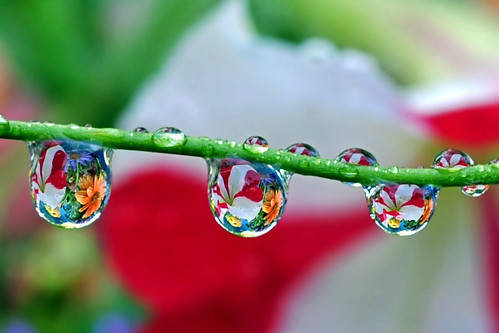
Grand Opening: new "water drop bouquet" grow, harvest and delivery service
Water Drop Bouquet, a photo by Steve Wall on Flickr.

Treasure hunting is one of my favorite aspects of going on vacation. Surprisingly, Mayne Island, a tiny island off the coast of Vancouver Island, is my favorite place to find unique knick-knacks, books, jewellery and food. Mayne is truly my heaven on earth and my home away from my home. Everything about it is comforting, from the sights, sounds and smells (briar roses, broom, salty ocean air, spruce, and sun-warmed blackberry bushes) to the people. The island's population is tiny - approximately 900 people and is like a village. Everyone is treated like a friend, doors are unlocked, and local farmers will leave produce unattended on the side of the road next to a jar to put your money in. Now that is what I call trust (something that is relatively foreign in big cities). The local artisans and artists who reside on Mayne are not only extremely talented but genuinely care about each of their crafts and love spending time with customers helping them choose products that they will be happy with and that will suit their personalities and lifestyles.

I get a huge thrill out of scouring the few shops and thrift stores whenever I am there. Almost everything to be found is one of a kind or few of a kind. My big find this year was a six dollar bottle of Rose Geranium Floral Hydrosol. For those who don't know, hydrosols are the distillate water that is produced when plant materials are steamed or hydro-distilled to create essential oils. Hydrosols contain the water-soluble fragrant molecules from plant, unlike essential oils which are what floats on top of the water, and represents only some aspects of a plant or flower. Hydrosols are a pure luxury  and have many properties and applications, their most prominent use being in skin-care.

If you ever tried your own steam-distillation, you can also create a low-tech hydrosol in which the essential oil (non-soluble in water) are not separated from the distillate water, producing a more rounded aroma profile and preserving many of the therapeutic properties of the plant. These can be found among artisan distillers, usually made in very small batches and often from plants that were wild-harvested or collected in their own garden (if you're interested in distilling your own hydrosols, you can find a small copper still and learn this ancient art from renown aromatherapy teacher Jeanne Rose, who is the eldest pioneer of modern-day's natural perfumery.

Though very aromatic, these artisanal hydrosols are much more gentle than essential oils (their essential oil content would be less than 5%) when used for skin care and can be utilized in enhancing your complexion in skincare products, in body care, home fragrances (linen sprays are such example), as well as in food and beverage.

Lavender

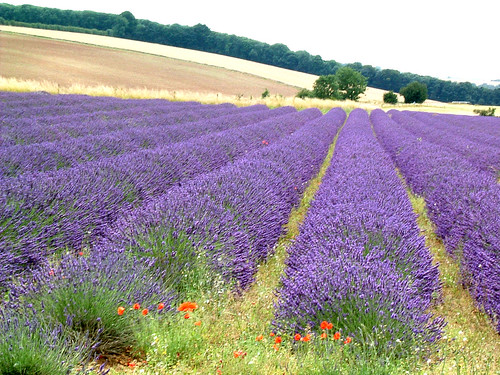
Lavender hill mob
Lavender Hill Mob, a photo by Billy Reed on Flickr

Lavender (Genus: Lavendula, a purple-flowering plant related to mint), is very well renowned throughout the world, not only for its delicate, sweetly herbaceous aroma, but also for its remarkable abilities to soothe and heal the body and mind and its almost miraculous power in healing burns, cuts and wounds. Lavender hydrosol contain full emulsified plant essences (including the water-soluble coumarin) and have a great deal of benefits to the skin and to one's emotional and mental state. Gentle and versatile, lavender is suitable for every skin type, soothing inflammation and providing a cooling sensation when spritzed on the skin. It has regenerative effects on damaged, irritated skin and when combined with oatmeal creates a gentle, deep-cleansing mask. Lavender hydrosols can be used as a cleanser, toner or makeup remover, after shave, air freshener or as a calming facial mist.

Rose

Rose Bush
Rose Bush, a photo by Nesha's Vintage Niche on Flickr

Roses have a fragrance that is immediately recognizable and universally loved. Renowned for centuries for their ability to calm the senses and for their positive effect on various aspects of physical health. Roses provide many benefits in terms of skin care. They have a balancing effect of the PH level of one's skin, can help increase circulation and therefore the distribution of nutrients in the skin, and help to regulate the production of sebum in the skin (the oil that skin naturally produces to keep itself healthy and protected, but that in excess can cause breakouts and dermatitis). Rosewater has a lovely, delicate floral flavor and is used in beverages and baking. It is used extensively in Middle Eastern and East Indian desserts. Many people swear by rosewater as a remedy for premenstrual syndrome (PMS) for its ability to balance female hormones. Some people even find it helpful in soothing sore throats.

Rose's antioxidant properties make it most suitable for mature and dry skin. Rosewater and glycerin are a classic apothecary preparation that can be found to this day in most pharmacies, and is applied to either face or hands as a simple lotion. Spritz rosewater every night on your face as a nourishing toner and moisturizer, either alone or layered with a rosewater based lotion or a rose-scented facial serum or rich cream.

Rose Geranium

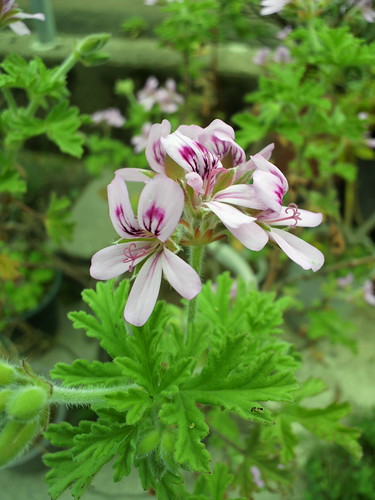
Rose Geranium
 Rose Geranium, a photo by hello_imac3 on Flickr

From the flowers and leaves of Pelargonium capitatum, this is my personal favorite hydrosol. I love rose geranium for its uplifting, slightly green, almost lemony aroma. This particular hydrosol is great for combination, oily, or blemish-prone skin, and helps to quickly and effectively restore the skin's balance. This was especially beneficial for me in the summer time when the increased exposure to the sun caused my skin to become a little bit more oily (a common side effect of many skin types in response to sunburn and dryness). Rose geranium hydrosol's can be used as a facial mist, toner, cleanser or even as an air freshener. A natural anti-inflammatory and coolant, rose geranium is also helpful for use on sunburns and summer rashes.

Roman Chamomille
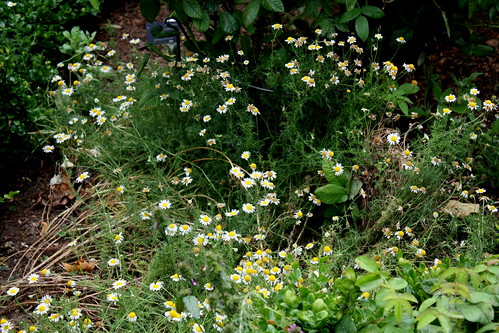
Roman Chamomille
Roman Chamomille, a photo by noriko stardust on Flickr

Wonderfully soothing, Roman chamomile (Matricaria chamomilla) hydrosols are great for most skin types and are perfect for skin that is extra sensitive, like babies' skin. Incredibly relaxing, Roman chamomile is renowned for its ability to soothe one's jangled nerves and balance the senses. It can ease muscle cramps and can be taken orally to help with intestinal cramps and spasms. It can be used on the skin to ease any kind of inflammation, as a facial toner or spray. It is also a great enhancement when added to a moisturizer or facial mask.

Orange Flower
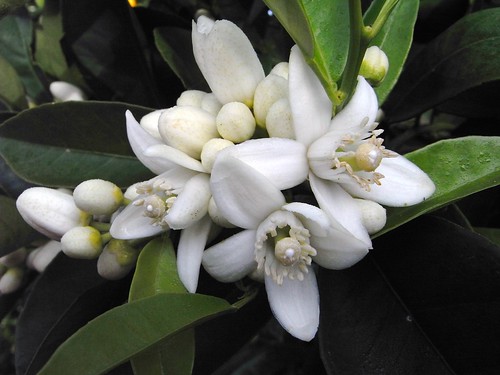
Neroli
Neroli, a photo by Starry Raston on Flickr

Orange Flower Water (Neroli water), from the flowers of the bitter orange tree (Citrus aurantium subsp. amara or Bigaradia) is one of the best for reducing stress, with its citrusy floral hydrosol. Very astringent, this floral hydrosol is best for oily and acne-prone skin. For those with normal, dry or sensitive skin, this water should be combined with a more hydrating water such as rose or lavender. This water is optimal for blemish-prone skin when combined with an oil-absorbing clay mask. It should also be used as a toner or as a spritz (when used sparingly as to avoid excessive dryness) to balance skin and to calm anxiety. Orange Flower Water are also very popular in the Middle East, in both desserts and savoury dishes. Along with rosewater, it perfumes many famous confections such as Rahat Loukum, Malabi, and a wide assortment of syrup-soaked baclavas. It will also make a fragrant salad dressing or marinade for poultry or fish, providing a fresh-floral top note.

With so many options out there in terms of beauty products it is very important to research what is best for your skin type and body. Floral Hydrosols are great in that they are one hundred percent natural, affordable, and serve the skin in a multitude of different ways. They are also great for aromatherapy and provide a great deal of emotional benefits. And if you're a foodie - there are countless ways to incorporate them into the kitchen In other words, it is the ideal beauty product for the lover of all things natural, with an appreciation for fragrance.


Study Shows That Anxiety Interfers with Odour Processing & Perception

Have you ever noticed that when you're under a lot of stress, particularly following a trauma, certain scents just don't seem to smell as sweet; you can't wear your favourite perfumes anymore; and just about anything pertaining to the sense of smell seems to be unbearable and overpowering?
There might be, finally, a scientific explanation for that.

"... researchers using powerful new brain imaging technologies are peeling back some of the mystery, revealing how anxiety or stress can rewire the brain, linking centers of emotion and olfactory processing, to make typically benign smells malodorous".  

Anxiety interferes with the process of olfactory perceptions and their functions:

"In typical odor processing, it is usually just the olfactory system that gets activated" says professor Wen Li "But when a person becomes anxious, the emotional system becomes part of the olfactory processing stream".

Moreover, continuous exposure to ambient smells while anxious reinforces it, as the person quickly associates the smells with anxiety, and might re-live the anxious feelings simply because of exposure to the ambient odours present at the time the anxiety was triggered.

"We encounter anxiety and as a result we experience the world more negatively. The environment smells bad in the context of anxiety. It can become a vicious cycle, making one more susceptible to a clinical state of anxiety as the effects accumulate. It can potentially lead to a higher level of emotional disturbances with rising ambient sensory stress."

Read the rest of the article "A Shot of Anxiety and the World Stinks: How Stress Can Rewire Brain, Making Benign Smells Malodorous" on Science Daily.

Lemon Verbena Infusion

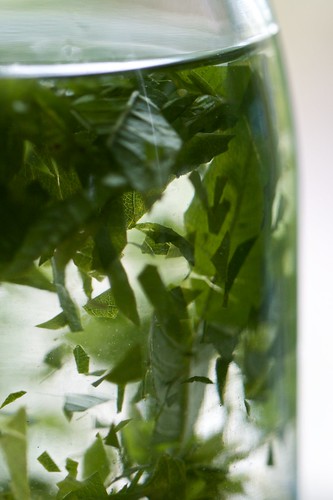
Lemon Verbena Cordial by Chiot's Run
Lemon Verbena Cordial, a photo by Chiot's Run on Flickr.
Cold infusion is a less-known method for creating iced teas, and has many advantages over the more common method of chilling tea or hot infusions. To start with, you won't need to spend nearly as much energy to heat and than cool your concoction. Second, and not any less important: some teas truly benefit from not being heated, as it can bring out the best qualities of fresh leaves that would otherwise be destroyed in the process of hot infusion.

Cold infusion requires more time to infuse, but that can be easily done overnight: fill a 1L jar or pitcher with 2-4 sprigs of rinsed, freshly picked lemon verbena (or spearmint, or 4 blades of lemongrass). Cover with spring water or tapwater (filtered if necessary), and let it sit overnight in the refrigerator. In the morning, you'll have a cool, refreshing beverage, which you could fill in your to-go bottle, while covering the herbs again with fresh water for a 2nd cold-infusion.

When cold-infusing fresh lemon verbena leaves, the result is a more grassy, green and delicate infusion. The citral is a little less dominant as well, giving more room for the more floral and green notes. Also, the result is a very clear water, which is most refreshing in the hot summer months. We drank lemon verbene, spearmint or lemongrass infused water all summer and they were thirst-quenching and provided little moments of sanity and a pure luxury while hydrating.

Making a hot infusion is wonderful too - and will bring out the bright yellow colour of lemon verbena. It will, however, require more planning ahead: You'll have to infuse the tea, bring it to room temperature, and than chill it for at least 4 hours, if not overnight (depending on how much power you have in your refrigerator: the one we had in the village was an ice-box size machine with very little cooling power, so everything had to be planned and thought-through well ahead).

I was first introduced to this method by my Canadian-Japanese friend Dean, who would make cold barley "tea" every summer (it's a simple infusion of roasted barley, that is very popular in Japan in the cooler months; you might be also able to find cans of this treat at the Japanese Konbiniya on Robson street - or your own local Japanese/Asian grocery store). Second time I learned about it was from Maria at Shaktea on Main: she recommended this method for making iced tea from their aromatized white and green teas (their Pomegranate & Magnolia was my first time experimenting with this method, and their Elderflower & Cantaloupe is even better this way). It might be a bit tricky with aromatized teas though: the aromas can taste a bit plastic-y and tongue-burning sometimes if they don't udnergo the heating. So you will just have to test and see for each tea if that method makes it better or worse than cooling a hot-infusion. Like the cold infusions of fresh leaves, dried tea infusions may be re-steeped a 2nd and even a 3rd time.

Lemon & Verbena Cupcakes

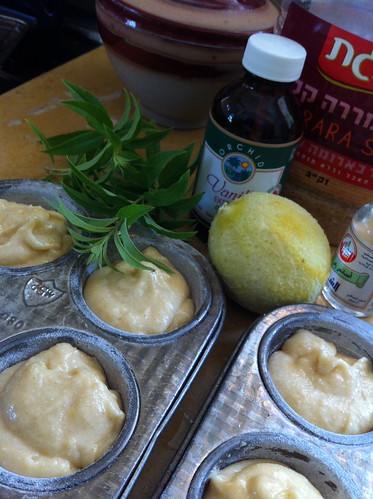
Lemon & Verbena Cupcakes by Ayala Moriel
Lemon & Verbena Cupcakes, a photo by Ayala Moriel on Flickr.
That wonderful lemon verbena in the gardens in the village where I was staying truly inspired me to make a verbena-soaked lemon loaf. But I didn't have my loaf pan, so I made cupcakes instead! I used a bit of semoline instead of all-flour as you'd find in most cupcake recipes. This adds a nice grainy texture, and interest to what is otherwise a very simple yellow batter. However, it is also packed with lemony tartness and aroma, from both the juice and the zest.

For the glazing, I've used both lemon verbena tisan (brought to room temperature, of course), and along with the vanilla sugar, it had an intense lemon-candy flavour, just like that of the classic Israeli lemon popsicles (which are amazing). Must be all that citral and vanillin. Mouthwateringly delicious, and would make a great addition for a Shabat afternoon tea. Shabat Shalom! 
For the batter:
1/2 cup (1 stick) unsalted butter, softened to room temperature
1/2 cup granulated sugar
2 eggs
2 teaspoons vanilla extract
1 cups all-purpose flour
1/2 cup semolina (cream of wheat)
2 teaspoons baking powder
1/2 teaspoon salt
1/2 cup milk * 
zest from one lemon
1 Tbs lemon juice

Lemon Verbena Glazing:
2 Tbs strong tisane from fresh** lemon verbena leaves
2 cups icing sugar, sifted
1 Tbs lemon juice
1 package vanilla sugar

- Preheat oven to 180C (350F)
- Butter and flour a dozen-cup muffin tin (or use paper cupcake liners)
- Cream together the butter and sugar
-  Add and beat the eggs, one at a time until light and fluffy
- Add vanilla, lemon juice and lemon zest, and beat just until incorporated
- Sift together the flour, semolina, baking powder and salt
- Add half of the flour mixture and mix just until incorporated.
- Add half the milk and continue stirring
- Add the remaining two halves of the flour and milk, gently folding mixing until fully incorporated 
- Bake for 20 minutes, or until a toothpick inserted in cupcake comes out clean
- In the meantime, prepare the glazing by beating together the lemon verbena tisane, lemon juice and vanilla sugar. Gradually add the icing sugar and continue beating until smooth and runny.
- When the cupcakes are ready and have cooled down, brush them with the glazing.
- Serve warm or at room temperature. Do not refrigerate!

* Of your choice, can be dairy or non-dairy
** Substitute with dry leaves if you don’t have them.
Back to the top